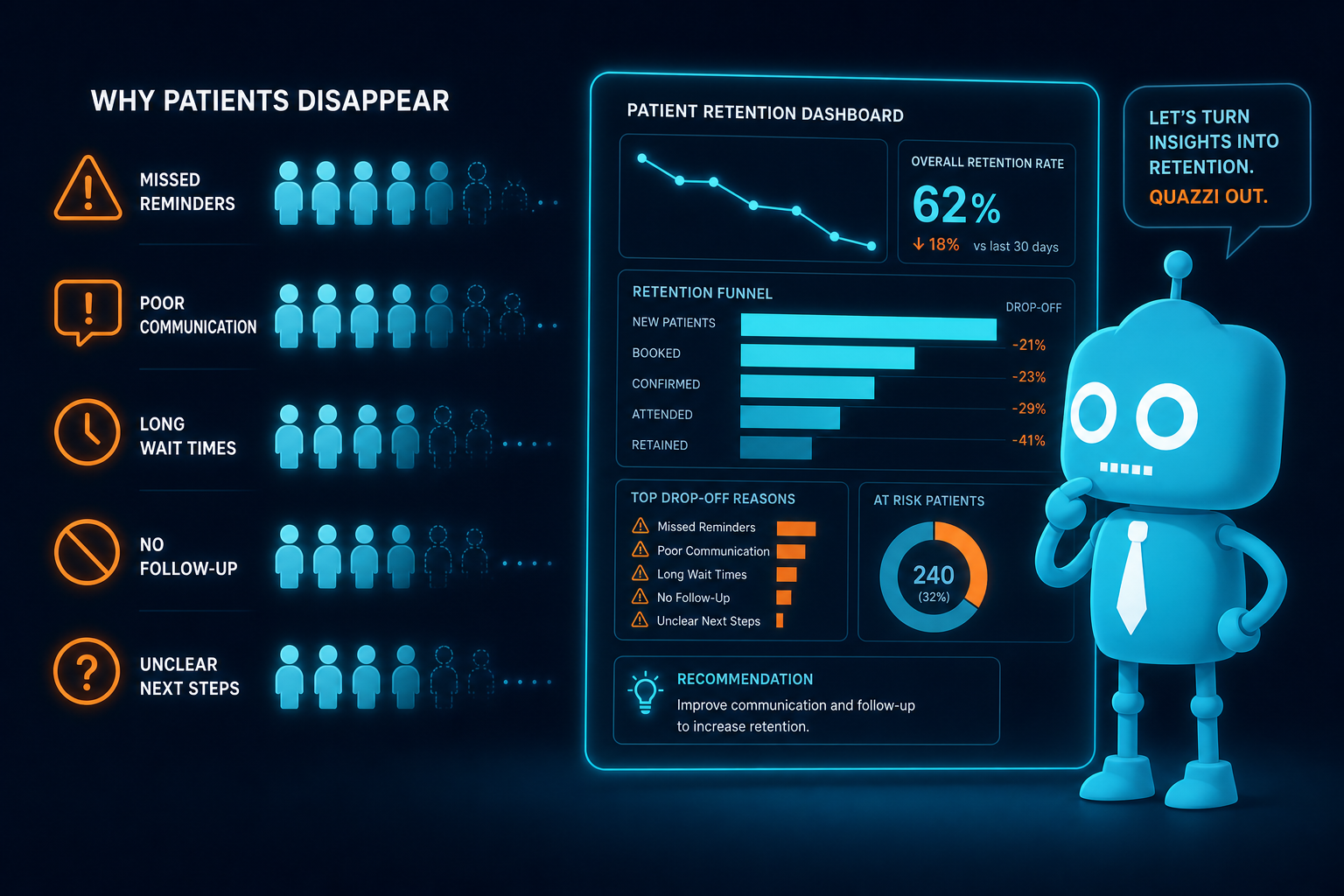
Why Patients Stop Returning to Dental Practices
Most patients do not leave a dental practice because of one dramatic problem. They leave because of small communication gaps and unresolved friction that build up over time.
A missed reminder. A confusing treatment plan. A long wait with no explanation. A billing question that never gets answered. A nervous patient who does not feel supported. These moments quietly weaken trust, and eventually the patient stops booking.
For independent dental practice owners, dentists, and office managers, patient retention is not just a clinical issue. It is an operational, communication, and marketing issue. The same systems that help with new patient acquisition, website conversion, CRM follow-up, reviews, and front desk efficiency also help keep existing patients from drifting away.
The Real Reason Patients Disappear: Friction Adds Up
Patients rarely say, “I am leaving because your reminder process is weak” or “your treatment plan was confusing.” Instead, they simply do not return. They ignore recall messages, delay treatment, or choose another dental office that feels easier to work with.
Friction in a dental practice can show up in many ways:
- They forgot their appointment because no reminder was sent.
- They felt anxious but no one addressed it.
- They were unclear about insurance, financing, or out-of-pocket costs.
- They waited too long without an update.
- They did not understand why treatment was needed.
- They left the office without a next step.
- They found a competitor with online scheduling, faster responses, or better communication.
Improving patient retention starts by identifying where communication breaks down before, during, and after the appointment.
1. No Reminders Means More Missed Appointments and Lost Patients
Patients are busy. Even patients who like your practice can forget to schedule, forget to confirm, or forget to show up. If your office relies heavily on phone calls or manual follow-up, patients may slip through the cracks.
This is especially common with hygiene recall, unfinished treatment, and new patient inquiries that come through the website after hours.
What this looks like in a dental practice
A patient finishes a cleaning and is told to come back in six months. The appointment is not scheduled before they leave. No automated recall sequence is triggered. Months pass, and the patient eventually books with another office that sends convenient text reminders and online scheduling links.
How to reduce the friction
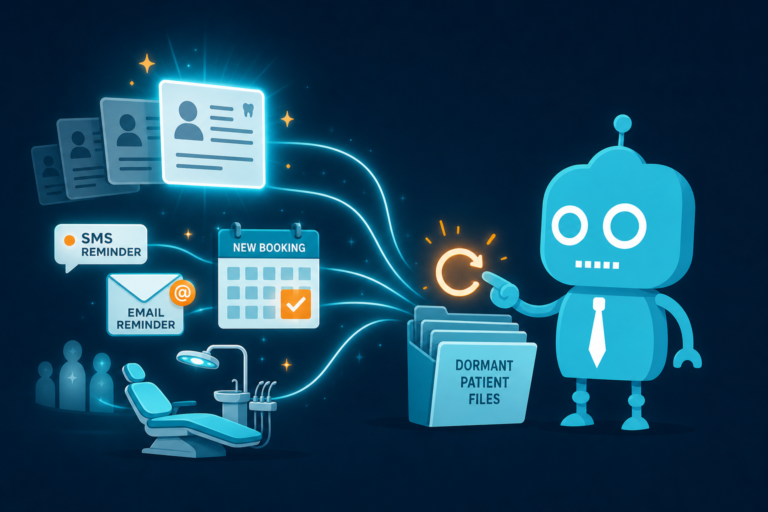
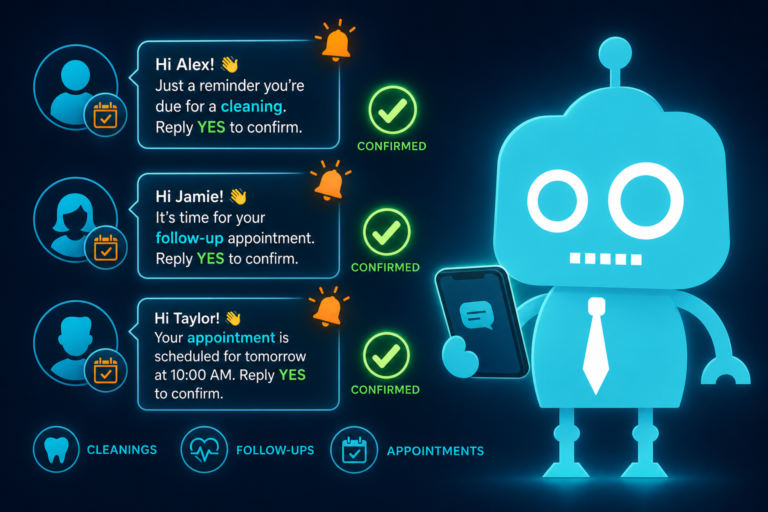
- Use SMS and email reminders for upcoming appointments.
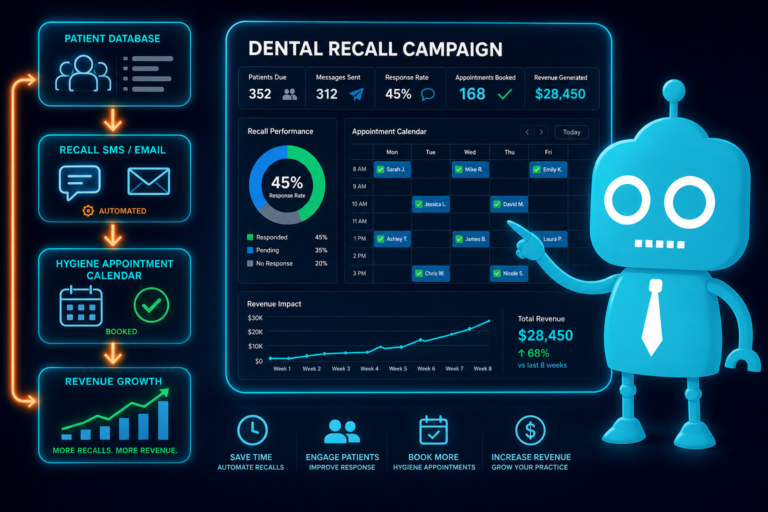
- Automate recall messages for overdue hygiene patients.
- Send confirmation links so patients can respond quickly.
- Follow up with no-shows immediately, not weeks later.
- Connect website forms to your CRM or practice management workflow so new leads are not missed.
Reminder automation is not just about reducing no-shows. It tells patients your practice is organized, accessible, and easy to work with.
2. Dental Anxiety Is Often Under-Communicated
Dental anxiety is one of the most common reasons patients delay care. Many anxious patients will not openly say they are afraid. They may cancel, avoid scheduling treatment, or disappear after a diagnosis.
If your communication does not acknowledge anxiety, patients may assume your office is not prepared to help them feel comfortable.
What this looks like in a dental practice
A patient is told they need a crown. They nod during the consultation but seem tense. No one asks how they feel about the procedure. They leave with an estimate and never schedule. Internally, the team may label the patient as “not ready,” but the real issue may be fear.
How to reduce the friction
- Train the front desk and clinical team to ask simple questions such as, “Do you have any concerns about the visit or procedure?”
- Explain comfort options clearly on your website and in the office.
- Use follow-up messages that invite questions after treatment is presented.
- Include patient-friendly language about gentle dentistry, sedation options, and what to expect.
- Share reviews from patients who mention feeling comfortable or cared for.
Anxiety decreases when communication increases. Patients are more likely to return when they feel seen, not rushed.
3. Cost Concerns Cause Patients to Delay Treatment
Dental treatment can feel financially overwhelming, especially when insurance coverage is unclear. If cost conversations are rushed or confusing, patients may avoid making a decision altogether.
Patients do not always say, “I cannot afford this.” They may say, “I need to think about it,” “I will call back,” or “I have to check my schedule.” Without structured follow-up, that treatment plan may never be accepted.
What this looks like in a dental practice
A patient receives a multi-step treatment plan for crowns, periodontal therapy, or implants. The estimate includes insurance language, codes, and numbers they do not fully understand. They leave with paperwork but no clear financing options, payment plan explanation, or follow-up call.
How to reduce the friction
- Explain the patient’s estimated out-of-pocket cost in plain language.
- Offer financing options before the patient has to ask.
- Break larger treatment plans into phases when appropriate.
- Send a follow-up email summarizing treatment, cost, insurance estimate, and next steps.
- Use CRM reminders for the treatment coordinator or front desk to follow up.
Clear financial communication does not make treatment cheap, but it does make decisions easier. Patients are more likely to move forward when they understand their options.
4. Poor Communication Makes Patients Feel Unimportant
Communication problems are one of the biggest reasons patients stop returning to dental offices. These problems often happen outside the operatory: missed calls, delayed responses, unclear voicemails, inconsistent answers, or poor handoffs between team members.
From the patient’s perspective, poor communication feels personal. If they cannot get a clear answer, they may assume the practice does not value them.
Common dental communication gaps
- A website form submission is not answered until the next day or later.
- A patient leaves a voicemail and does not receive a call back.
- The front desk gives one answer about insurance, but the patient hears something different later.
- A patient asks a billing question and is transferred multiple times.
- A new patient request is lost because there is no CRM or lead tracking process.
How to reduce the friction
- Set response time standards for calls, forms, texts, and emails.
- Use scripts for common questions about insurance, scheduling, emergencies, and financing.
- Track new patient leads in a CRM instead of relying only on inboxes or sticky notes.
- Make sure your website forms send notifications to the right team members.
- Use automated replies that confirm the request was received and explain what happens next.
Patients do not expect perfection. They expect clarity, responsiveness, and follow-through.
5. Long Wait Times Feel Worse Without Updates
Wait times are sometimes unavoidable in dentistry. Emergencies happen. Procedures run long. A patient may need extra care. The issue is not always the wait itself. The bigger issue is a lack of communication during the wait.
When patients sit in the reception area without an update, they start to feel ignored. This is especially damaging for new patients, anxious patients, and patients taking time off work.
What this looks like in a dental practice
A new patient arrives 10 minutes early, completes forms, and waits 25 minutes past the appointment time. No one explains the delay. The visit may still go well clinically, but the patient leaves with the impression that the office is disorganized.
How to reduce the friction
- Update patients if the provider is running behind.
- Offer realistic expectations instead of vague reassurances.
- Use digital forms to reduce check-in delays.
- Review scheduling templates to identify bottlenecks.
- Train the front desk to acknowledge the patient’s time respectfully.
A simple statement such as, “Dr. Smith is running about 10 minutes behind because of an emergency procedure. Thank you for your patience,” can protect the relationship.
6. A Weak Relationship Makes It Easy for Patients to Switch
Patients are more likely to return when they feel connected to the practice. A weak relationship makes your office easier to replace, especially if another dental practice offers more convenience or better communication.
Relationship-building does not require long conversations or forced friendliness. It requires consistency, personalization, and trust.
What this looks like in a dental practice
A patient has been coming in for routine cleanings, but every visit feels transactional. No one remembers their preferences. They see different team members each time. The office never follows up except to confirm appointments. When a competitor opens nearby with online booking and strong reviews, switching feels easy.
How to reduce the friction
- Use patient notes to remember preferences, concerns, and past conversations.
- Send personalized follow-up after major procedures.
- Ask satisfied patients for reviews at the right moment.
- Highlight your team on your website so patients feel familiar before they arrive.
- Make new patients feel welcomed from the first website visit through the first appointment.
Retention improves when patients feel known. Your website, front desk, hygienists, assistants, and doctors all contribute to that relationship.
7. Confusing Treatment Plans Lead to Inaction
Patients may not understand dental terminology, insurance estimates, urgency levels, or the consequences of delaying care. If a treatment plan feels confusing, patients often choose the easiest option: doing nothing.
Confusion is one of the most expensive forms of friction in a dental practice. It reduces case acceptance, delays necessary care, and weakens patient trust.
What this looks like in a dental practice
A patient is told they need scaling and root planing, a crown, or implant treatment. The explanation includes clinical terms, images, insurance estimates, and multiple appointments. The patient leaves unsure what is urgent, what insurance covers, and what step to take first.
How to reduce the friction
- Use visual aids, intraoral photos, and simple language.
- Explain the “why” behind the treatment before discussing the cost.
- Prioritize treatment: urgent, recommended, and optional.
- Provide a written or emailed summary after the visit.
- Include a direct scheduling link or clear call-back instructions.
A strong treatment plan should answer three patient questions: What is happening? Why does it matter? What do I do next?
8. No Follow-Up Sends the Wrong Message
Follow-up is one of the most overlooked patient retention tools in dentistry. Many practices follow up for confirmations but not for care, questions, incomplete treatment, missed appointments, or patient experience.
When follow-up is inconsistent, patients may assume your practice is only interested in them when they are in the chair.
Where dental practices often miss follow-up
- After a new patient exam.
- After presenting a treatment plan.
- After a difficult procedure.
- After a missed or canceled appointment.
- After a patient submits a website form.
- After a patient leaves a review or provides feedback.
How to reduce the friction
- Use automated post-appointment messages for common visit types.
- Create CRM tasks for treatment plan follow-up.
- Send review requests after positive visits.
- Reach out to canceled or no-show patients quickly with a rescheduling link.
- Follow up after larger procedures to check on comfort and recovery.
Follow-up does not have to be complicated. A short message can make patients feel cared for and keep them connected to your practice.
9. Competitor Convenience Pulls Patients Away
Patients compare dental practices whether you want them to or not. They compare websites, reviews, scheduling options, response times, payment options, and overall convenience.
If your competitors make it easier to book, ask questions, complete forms, and receive reminders, patients may leave even if they like your clinical care.
What this looks like in a dental market
A patient searches for a dentist on their phone during lunch. Your website loads slowly, the phone number is hard to find, and there is no clear appointment request form. Another practice has a mobile-friendly website, online forms, strong Google reviews, and a simple “Request Appointment” button. The patient chooses the path with less friction.
How to reduce the friction
- Make your dental website fast, mobile-friendly, and easy to navigate.
- Place appointment buttons prominently on every important page.
- Use lead capture forms that connect to your CRM or front desk workflow.
- Show recent reviews and patient testimonials.
- Clearly explain services, insurance, financing, emergency care, and new patient steps.
- Offer text and email communication where appropriate.
Convenience is now part of the patient experience. A modern dental website and reliable communication system can help your practice compete without relying only on discounts or ads.
How Dental Practices Can Improve Patient Retention
Improving retention does not mean overwhelming your team with more manual tasks. It means creating better systems so fewer patients fall through the cracks.
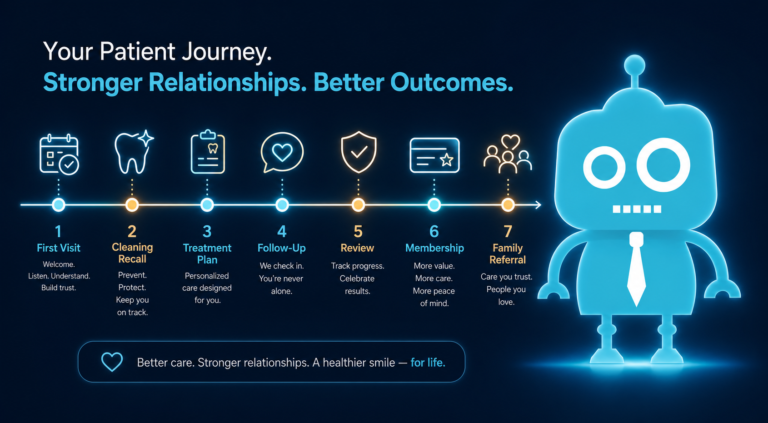
Start with the patient journey
Look at each stage of the patient experience:
- Before the appointment: Can patients easily find your website, request an appointment, complete forms, and receive reminders?
- During the visit: Are wait times communicated? Are concerns addressed? Are treatment plans explained clearly?
- After the appointment: Are patients followed up with, asked for reviews, reminded about treatment, and recalled for hygiene?
Audit your front desk operations
Your front desk is often the first and last impression of your practice. Even a great clinical experience can be weakened by poor phone handling, unclear billing communication, or missed follow-up.
Consider reviewing:
- How quickly calls and website inquiries are answered.
- How new patient leads are tracked.
- Whether appointment requests are confirmed promptly.
- How cancellations and no-shows are handled.
- How treatment plan follow-up is assigned.
Use automation without losing the human touch
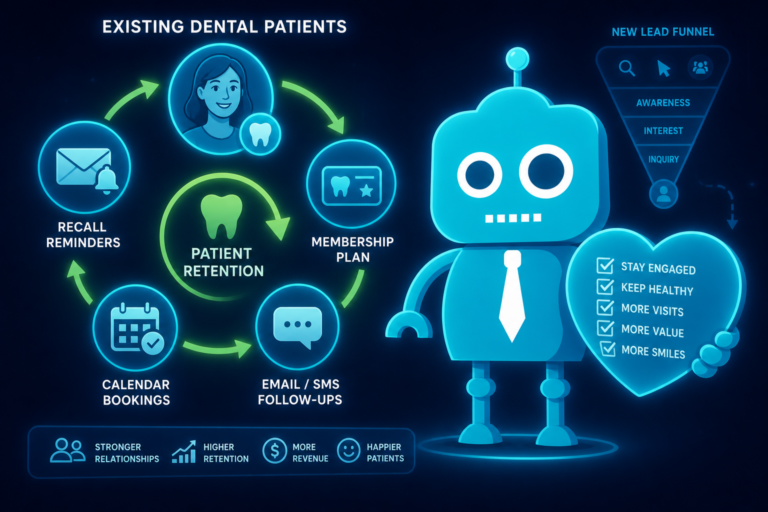
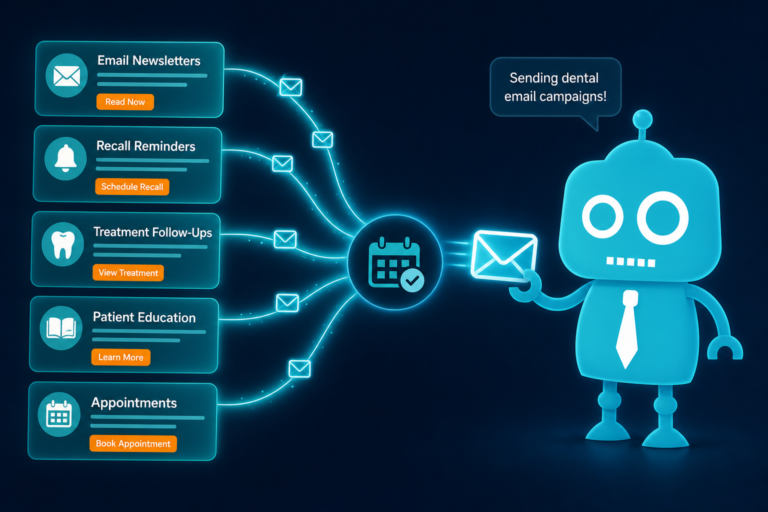
SMS and email automation can handle routine reminders, confirmations, review requests, and recall campaigns. This gives your team more time for high-value conversations with patients who need personal attention.
The goal is not to replace the relationship. The goal is to support it with consistent communication.
Your Website Plays a Bigger Role in Retention Than You Think
Many dental practices think of their website only as a new patient acquisition tool. It is also a retention tool.
Existing patients visit your website to find your phone number, request appointments, review services, check financing information, access forms, learn about procedures, and decide whether your office still feels like the right fit.
If your website is outdated, slow, confusing, or difficult to use on mobile, it creates friction. If it is clear, modern, and connected to your communication systems, it supports both new patient growth and patient retention.
Patients Return When Communication Feels Easy
Patients stop returning to dental practices when friction goes unresolved. They may not complain. They may not explain. They may simply stop scheduling.
The good news is that many retention problems can be improved with better communication systems, clearer patient education, stronger follow-up, and a more convenient digital experience.
When reminders are consistent, treatment plans are clear, costs are explained, anxiety is addressed, and follow-up happens automatically, patients feel more confident staying with your practice.
How CreateTheSite.com Helps Dental Practices Reduce Friction
CreateTheSite.com helps independent dental practices build a stronger digital foundation for patient acquisition, conversion, and retention.
Our team provides modern dental website design, reliable hosting, mobile optimization, lead capture forms, CRM integrations, SMS and email automation, appointment follow-up tools, and ongoing website support. We help make your website easier for patients to use and easier for your front desk to manage.
Whether you want to convert more new patient inquiries, improve follow-up, support recall efforts, or create a more professional online experience, CreateTheSite.com can help your practice reduce communication gaps and keep patients engaged.
Ready to make your dental website work harder for your practice? Visit CreateTheSite.com to learn how we can help you build a modern, patient-friendly online presence that supports growth and retention.