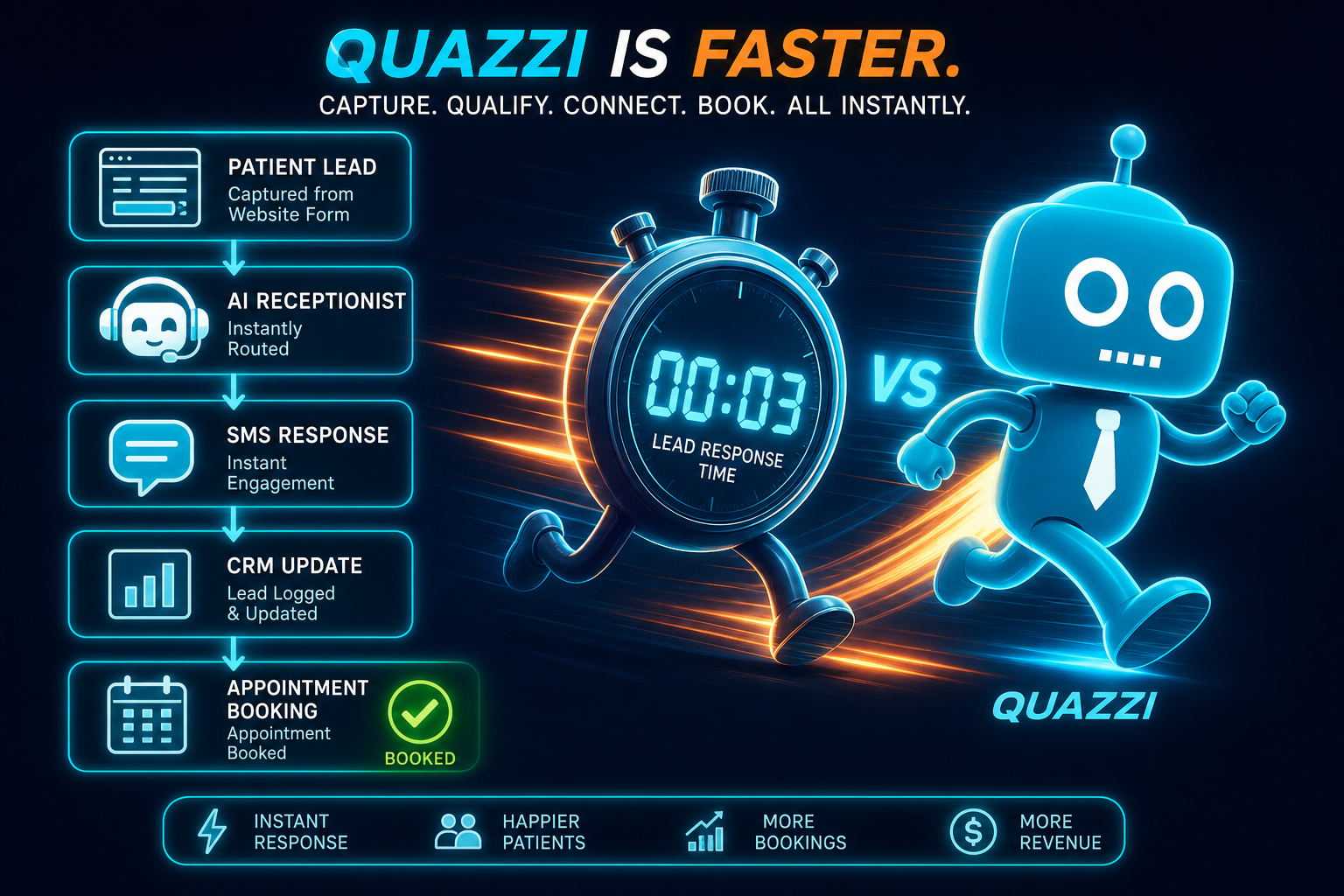
How AI Improves Dental Lead Response Time
For independent dental practices, speed-to-lead can be the difference between a booked new patient and a lost opportunity. When someone fills out a website form, clicks “Request an Appointment,” calls after hours, or asks about Invisalign, implants, emergency dentistry, or insurance, they are usually ready to take action. If your practice responds hours later—or the next business day—that patient may already be scheduled somewhere else.
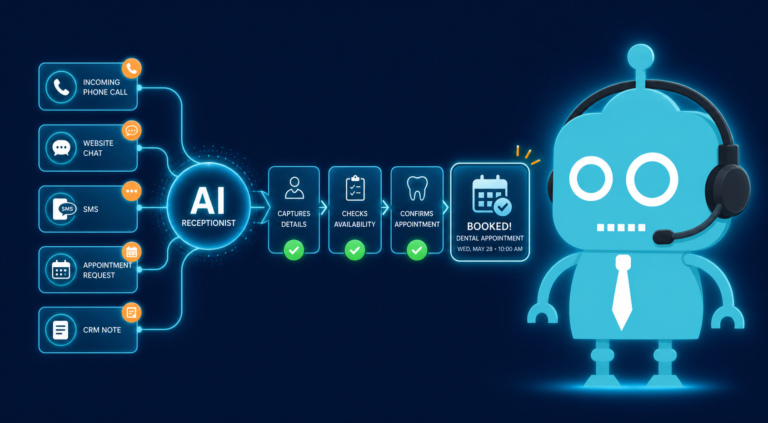
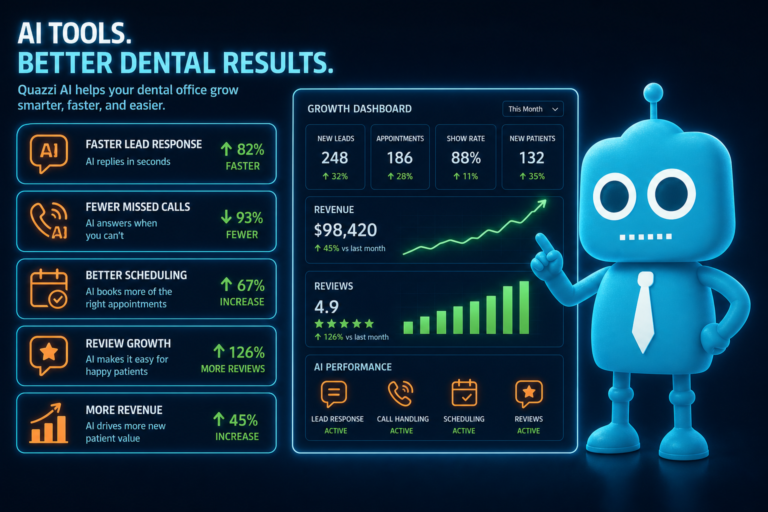
AI improves dental lead response time by doing two things extremely well: responding immediately and routing inquiries intelligently. Instead of every lead waiting for a front desk team member to notice, sort, and follow up, AI can acknowledge the request, collect important details, qualify the opportunity, alert the right person, and log the interaction in your CRM or patient communication system.
That does not mean replacing your front desk. It means giving your team a faster, more organized way to handle new patient demand without missing high-value opportunities.
Why Dental Lead Response Time Matters
New patients often contact multiple dental offices before choosing one. They may search “dentist near me,” compare reviews, visit two or three websites, and submit a form or call the office that feels most convenient and responsive.
If your dental website generates leads but your response process is slow, you may be losing revenue after the marketing has already worked. A patient may complete a form for a dental implant consultation at 8:30 p.m., call about a broken tooth during lunch, or ask whether you accept their insurance on a Saturday morning. If no one responds quickly, the patient keeps searching.
AI helps close that gap by creating an immediate first response and moving the lead to the right next step faster.
Instant Replies: Turning Website Visitors Into Conversations
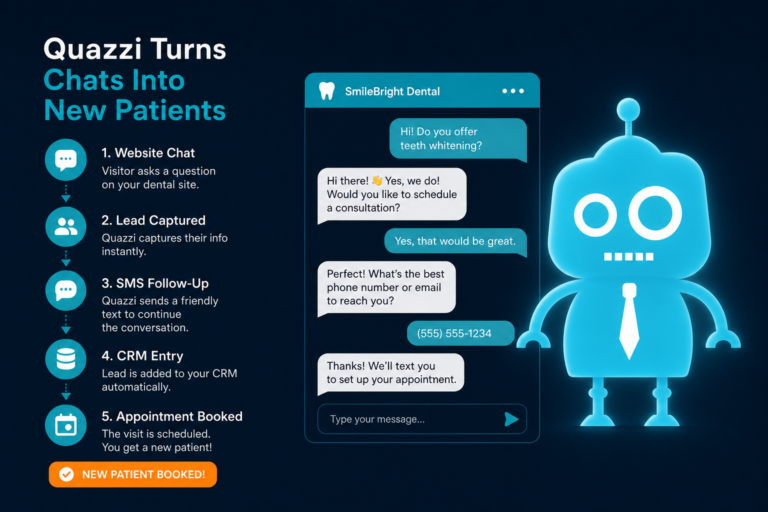
One of the most effective ways AI improves dental lead response time is through instant replies. When a prospective patient submits a contact form, appointment request, or chat message, AI can respond within seconds.
For example, if a visitor fills out a form asking about teeth whitening, AI can immediately send:
“Thanks for reaching out to Bright Smile Dental. We can help with whitening options. Are you looking for in-office whitening, take-home trays, or general pricing information?”
This immediate response confirms that the inquiry was received and keeps the patient engaged while their interest is high.
Practical dental use cases for instant replies
- New patient appointment requests
- Emergency dental inquiries
- Cosmetic dentistry consultations
- Dental implant questions
- Invisalign or clear aligner inquiries
- Insurance and financing questions
- Second opinion requests
Instant replies are especially useful for high-intent website visitors. If someone clicks from Google Ads, reads your implant page, and submits a form, AI can respond before they move on to another practice.
After-Hours Support Without Waiting Until Morning
Many dental leads come in outside normal business hours. Patients browse dental websites after work, during weekends, or when a dental issue becomes urgent. Unfortunately, many independent practices still rely on voicemail, static contact forms, or a delayed next-day response.
AI-powered after-hours support gives your practice a way to stay responsive even when the office is closed.
For example, if someone messages your website at 9:45 p.m. about a toothache, AI can collect details such as:
- Is there swelling or severe pain?
- Is the patient new or existing?
- When did the pain start?
- What is the best phone number for follow-up?
- Would they like the earliest available emergency appointment?
The AI can then send the information to the office team so they can prioritize the patient first thing in the morning. In urgent cases, it can direct the patient to appropriate emergency instructions based on your practice’s approved messaging.
This creates a better patient experience and prevents after-hours leads from going cold.
Missed Call Recovery: Capturing Leads Your Front Desk Couldn’t Answer
Missed calls are one of the most overlooked sources of lost dental revenue. A busy front desk may be checking in patients, verifying insurance, collecting payments, and answering clinical questions. When multiple calls come in at once, some will inevitably be missed.
AI can support missed call recovery by triggering an immediate SMS or email follow-up after a call is not answered.
For example:
“Sorry we missed your call at Oakview Dental. Are you looking to schedule an appointment, ask about insurance, or speak with our team? Reply here and we’ll help.”
This simple automation can save leads that would otherwise disappear. Many patients prefer texting, especially when they are at work or unable to call again. AI can continue the conversation, collect key information, and notify your front desk when a human response is needed.
Why missed call recovery matters for dental practices
- Emergency patients often call multiple practices quickly
- New patients may not leave a voicemail
- Lunch-hour calls are easy to miss
- Marketing campaigns can create call volume spikes
- Missed implant, Invisalign, or cosmetic leads can mean significant lost revenue
AI does not eliminate the need for phone coverage, but it gives your practice a safety net when the front desk is unavailable.
Lead Qualification: Knowing Which Dental Leads Need Priority
Not every inquiry has the same urgency or value. A patient with facial swelling needs a different response than someone asking about routine cleaning availability next month. A dental implant consultation may need routing to a treatment coordinator, while a Medicaid question may require a specific insurance response.
AI can qualify dental leads by asking structured questions and organizing the answers before your team gets involved.
Examples of lead qualification questions
- Are you a new or existing patient?
- What type of appointment are you looking for?
- Are you experiencing pain, swelling, or a dental emergency?
- Do you have dental insurance?
- What is your preferred appointment time?
- Are you interested in financing options?
- How did you hear about our practice?
This information helps the front desk respond more efficiently. Instead of calling a lead with no context, the team can see that the patient is a new patient interested in implants, prefers mornings, has Delta Dental, and wants a consultation this week.
That makes the follow-up faster, more personal, and more likely to convert.
Appointment Routing: Sending the Right Lead to the Right Person
Intelligent routing is one of the most valuable ways AI improves speed-to-lead. A dental practice may receive inquiries for hygiene, emergency care, cosmetic dentistry, orthodontics, implants, sleep apnea appliances, second opinions, and billing questions. If every inquiry lands in the same inbox, important leads can get buried.
AI can route leads based on the type of request, urgency, location, provider availability, or service category.
Practical appointment routing examples
- Emergency tooth pain: Route immediately to the front desk with a high-priority alert.
- Dental implant consultation: Send to the treatment coordinator or implant coordinator.
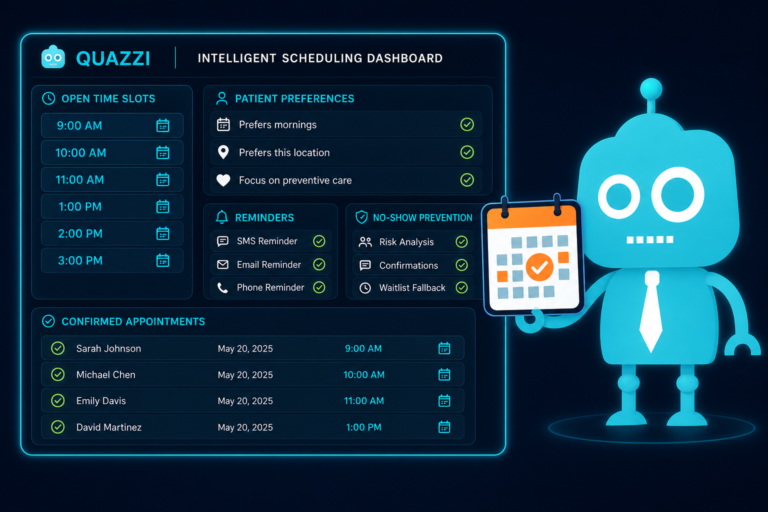
- New patient cleaning: Route to scheduling with preferred times and insurance details.
- Invisalign inquiry: Send to the team member responsible for orthodontic consultations.
- Billing question: Route away from new patient scheduling and toward billing support.
- Review request response: Notify the office manager if the message relates to patient satisfaction.
Routing prevents bottlenecks. It also helps the front desk avoid sorting through every message manually while still keeping the patient experience organized.
Front Desk Alerts: Helping Your Team Act Faster
AI is most effective when it supports the people running your dental office. Front desk alerts help make sure urgent or valuable leads do not sit unnoticed in an inbox.
Depending on your systems, alerts can be sent by email, SMS, CRM notification, dashboard update, or internal messaging tool. The alert can include the patient’s name, contact information, reason for inquiry, urgency level, and recommended next step.
For example:
“New high-priority lead: Sarah M. is a new patient with a broken molar and is requesting an emergency appointment today. Prefers text. Phone: 555-123-4567.”
This is far more useful than a generic website form notification that simply says, “New submission received.” Your team can act immediately and confidently.
CRM Logging: Keeping Dental Leads Organized
Fast response is only part of the process. Dental practices also need accurate tracking. If leads are scattered across email inboxes, voicemail, contact forms, chat tools, and sticky notes, follow-up becomes inconsistent.
AI can help by logging lead details into a CRM or patient communication platform. This may include:
- Patient name and contact information
- Service of interest
- Lead source, such as Google Ads, organic search, or website form
- Conversation history
- Preferred appointment time
- Insurance details
- Follow-up status
- Assigned team member
CRM logging gives office managers better visibility into the new patient pipeline. It also helps owners understand which marketing channels are producing real opportunities, not just website traffic.
For example, if your dental implant landing page generates 20 leads in a month but only five are contacted, the issue may not be marketing—it may be response workflow. CRM data makes that clear.
SMS and Email Follow-Up: Staying in Touch Without Manual Chasing
Most dental leads do not convert from a single message. Patients get busy. They forget to call back. They need to check their schedule, ask a spouse, or confirm insurance. AI-assisted SMS and email automation keeps the conversation moving.
A simple follow-up sequence can help recover leads that would otherwise fade away.
Example follow-up sequence for a new patient appointment request
- Immediately: “Thanks for contacting us. What type of appointment are you looking for?”
- After 15 minutes: “We’d be happy to help schedule your visit. Do mornings or afternoons work better?”
- Next business day: “Just checking in—would you still like help booking an appointment?”
- After several days: “We still have availability this week if you’d like to schedule.”
For higher-value services like implants, veneers, or Invisalign, follow-up can include helpful educational links, financing information, or consultation details. The key is to make follow-up timely, relevant, and easy to respond to.
SMS is especially powerful for dental practices because patients often respond faster to text than email or voicemail. Email still has value for longer explanations, forms, financing details, and appointment instructions.
Human Handoff: AI Should Support, Not Replace, Your Team
The best AI lead response systems know when to hand the conversation to a person. Dental care is personal, and patients often need reassurance from a real team member before scheduling.
Human handoff is important when:
- A patient has severe pain, swelling, trauma, or urgent symptoms
- The inquiry involves complex insurance or financing details
- The patient is ready to book and needs exact scheduling confirmation
- The message includes a complaint or negative experience
- The patient asks clinical questions that require provider-approved guidance
- The lead is high-value, such as full-mouth reconstruction or implant treatment
AI can gather information and move the lead closer to scheduling, but your team should handle sensitive, clinical, or final booking conversations. This combination creates the best experience: immediate response from AI, personal care from your staff.
How AI Improves Website Conversion for Dental Practices
Your dental website should do more than look professional. It should convert visitors into scheduled patients. AI improves website conversion by reducing friction at the exact moment a visitor is ready to act.
Instead of forcing every visitor to call during office hours, AI can support multiple conversion paths:
- Website chat for quick questions
- Smart lead capture forms
- Click-to-text options
- Appointment request forms
- Missed call text-back
- Automated follow-up after form submission
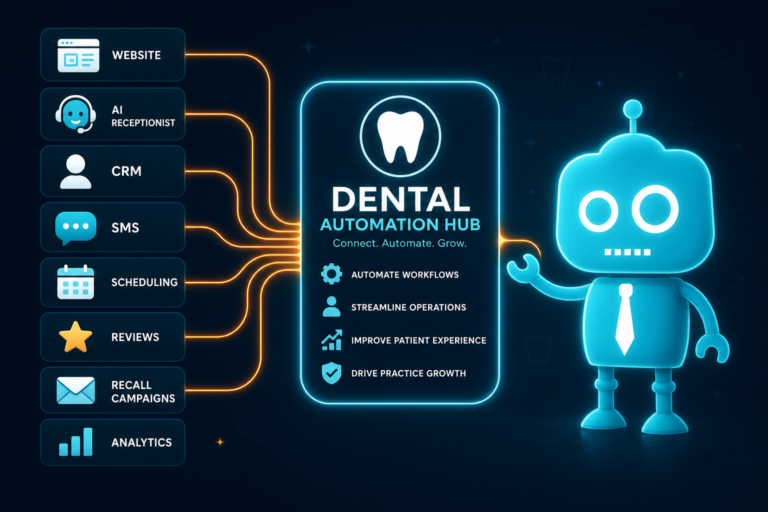
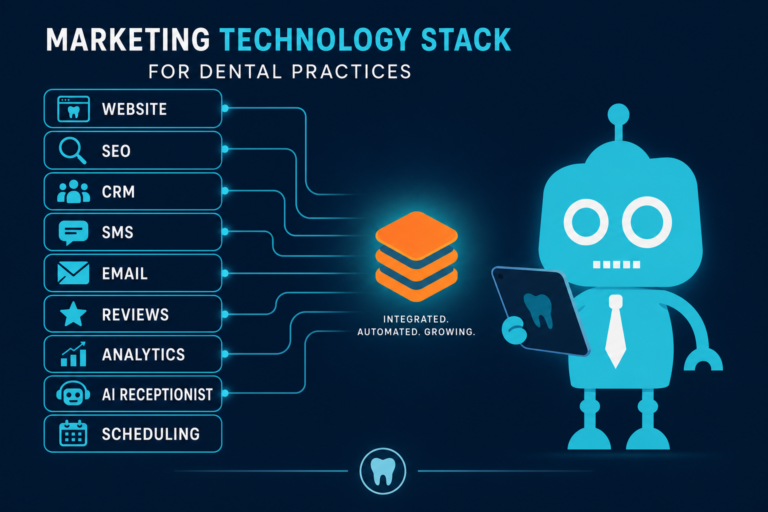
- CRM integration for tracking and reporting
This is especially important for mobile users. Many new patients find dental practices on their phones. If your site is slow, hard to navigate, or requires too many steps to request an appointment, you lose leads. When mobile optimization, clear calls-to-action, and AI-powered response tools work together, more visitors become conversations—and more conversations become appointments.
AI and Reviews: Responding Faster to Reputation-Driven Leads
Online reviews influence dental decisions. A patient may read your Google reviews, visit your website, and then ask a question about availability or insurance. When that inquiry receives an immediate response, it reinforces the positive impression created by your reviews.
AI can also help identify when a lead mentions reviews or reputation-related concerns. For example, if a patient says, “I saw your reviews and wanted to ask about sedation options,” that can be routed as a strong new patient opportunity.
Fast response supports the same message your reviews are trying to communicate: your practice is attentive, organized, and patient-focused.
What Dental Practices Should Look For in an AI Lead Response Workflow
AI tools are only useful if they fit your front desk operations. Before adding AI to your dental website or CRM process, practice owners and office managers should look for workflows that are practical, compliant, and easy for the team to manage.
Important features to consider
- Immediate response: The system should reply within seconds, not hours.
- Smart routing: Leads should be categorized by service, urgency, and next step.
- CRM integration: Lead details should be logged automatically whenever possible.
- SMS and email automation: Follow-up should happen without relying entirely on manual reminders.
- Front desk notifications: Your team should receive clear, actionable alerts.
- Human handoff: Staff should be able to take over conversations when needed.
- Mobile-friendly lead capture: Forms, chat, and calls-to-action should work smoothly on phones.
- Custom dental messaging: Responses should match your services, hours, policies, and tone.
The goal is not to add more software for your team to manage. The goal is to create a cleaner lead response system that helps your practice book more of the opportunities you already generate.
The Bottom Line: Faster Response Means More Booked Dental Appointments
AI improves dental lead response time by removing delays from the new patient journey. It can respond instantly, support after-hours inquiries, recover missed calls, qualify leads, route appointment requests, alert the front desk, log details in your CRM, automate SMS and email follow-up, and hand off important conversations to your team.
For independent dental practices, that speed matters. Your website, ads, SEO, reviews, and referrals all work hard to create interest. AI helps make sure that interest is not wasted because of a delayed response or missed message.
When immediate response and intelligent routing work together, your practice becomes easier to contact, easier to schedule with, and more competitive in your local market.
Build a Faster, Smarter Dental Website With CreateTheSite.com
If your dental practice is investing in new patient acquisition, your website needs to do more than look good. It needs to load quickly, work beautifully on mobile devices, capture leads clearly, and connect with the systems your team uses every day.
CreateTheSite.com helps dental practices with modern website design, reliable hosting, mobile optimization, lead capture forms, CRM integrations, SMS and email automation, appointment follow-up, and ongoing website support.
Whether you want to improve website conversion, reduce missed opportunities, streamline front desk follow-up, or create a better online experience for new patients, CreateTheSite.com can help you build a website and lead response workflow designed for today’s dental market.
Visit CreateTheSite.com to learn how your practice can turn more website visitors into scheduled appointments with a faster, smarter digital foundation.