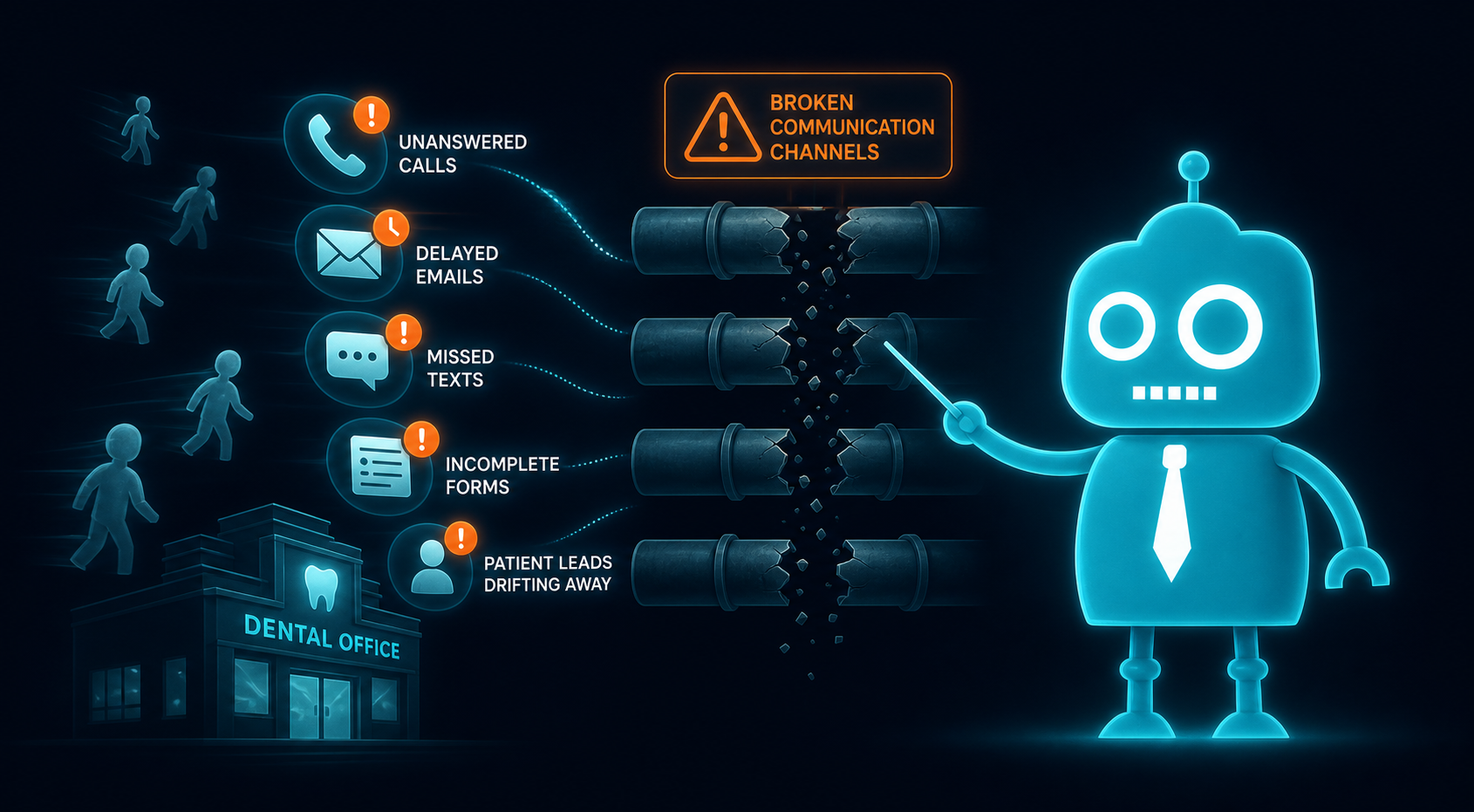
How Dental Offices Lose Leads Due to Poor Communication
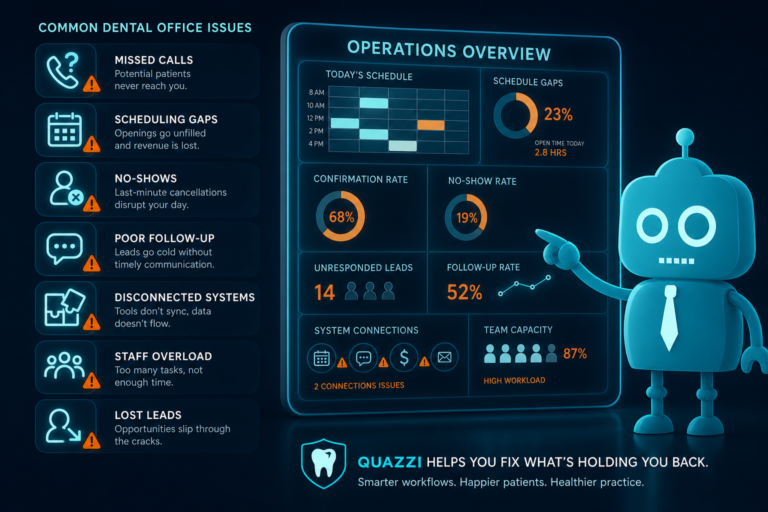
Most dental practices do not lose new patients because they lack clinical skill. They lose them because the patient reached out, waited, became uncertain, and chose another office that communicated faster and more clearly.
For independent dental practice owners, dentists, and office managers, this is one of the most overlooked problems in new patient acquisition. A potential patient may find your dental website, read your reviews, fill out a contact form, call about insurance, or request an appointment. But if the communication experience feels slow, confusing, or disconnected, that lead can disappear before ever sitting in your chair.
In many cases, the competitor who wins the patient is not necessarily the best dentist. They are simply the office that responded quickly, confirmed clearly, explained the next step, and followed up.
Why Communication Gaps Cost Dental Practices New Patients
Dental leads are often high-intent. Someone searching for “dentist near me,” “emergency dentist,” “Invisalign consultation,” or “dental implant dentist” is usually ready to take action. But that intent is fragile.
If a patient has to wait too long for a callback, does not receive confirmation, cannot understand insurance details, or submits a website form that no one follows up on, they may assume your office is disorganized. That perception can hurt trust before the patient ever meets your team.
Modern patients compare dental offices quickly. They may contact two or three practices in the same day. The office with the smoothest communication often gets the appointment.
Delayed Callbacks Send Patients to Competitors
A missed call is not just a missed call. It may be a missed new patient exam, a same-day emergency visit, a cosmetic case, or a full family transferring care.
When someone calls a dental office and leaves a voicemail, they expect a prompt response. If your team calls back several hours later—or the next day—the patient may have already scheduled somewhere else.
Practical example
A patient wakes up with tooth pain and searches for an emergency dentist. They call your office at 9:15 a.m. but no one answers because the front desk is checking in patients. The voicemail is not returned until 2:30 p.m. By then, the patient has booked with a competitor who answered live and offered a same-day appointment.
How to reduce lost leads from delayed callbacks
- Set a standard callback window, such as within 15 to 30 minutes during business hours.
- Use call tracking to identify missed calls from website visitors and Google Business Profile traffic.
- Create a front desk protocol for prioritizing new patient inquiries.
- Use SMS follow-up when a patient does not answer the callback.
- Review missed call reports weekly with your office manager.
Fast response time tells patients your practice is attentive, organized, and ready to help.
No Confirmations Create Uncertainty
Patients want reassurance that their appointment request was received and that their visit is actually scheduled. If they fill out a website form or speak with someone at the front desk but never receive a confirmation, doubt creeps in.
That uncertainty can lead them to call another dental office just to feel secure.
Where confirmation problems happen
- A new patient submits an appointment request form but receives no automatic email or text.
- A front desk team member schedules an appointment over the phone but does not send a confirmation message.
- A patient requests a consultation online and is not told what happens next.
- An appointment is changed, but the updated time is not confirmed in writing.
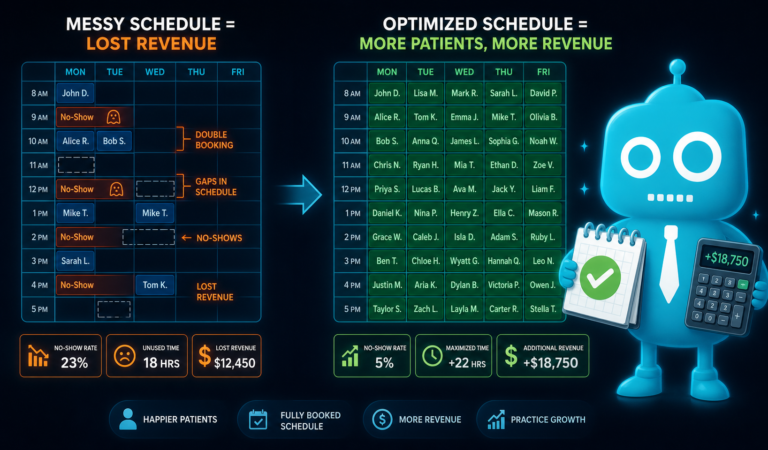
Clear confirmations reduce no-shows, improve patient confidence, and prevent duplicate shopping. Even a simple message can make a difference:
“Hi Sarah, your new patient appointment with Bright Oak Dental is confirmed for Tuesday, March 12 at 10:00 a.m. Please arrive 10 minutes early and bring your insurance card. Reply C to confirm or call us with questions.”
Unclear Pricing and Insurance Information Makes Patients Hesitate
Dental care can feel financially intimidating. When patients ask about pricing, insurance, membership plans, or out-of-pocket costs, they are not always shopping for the cheapest option. Often, they are looking for clarity.
If your team gives vague answers, transfers the call repeatedly, or says “we won’t know until you come in” without explanation, the patient may feel uncomfortable moving forward.
Common communication mistakes around insurance and pricing
- Not explaining whether the practice is in-network or out-of-network.
- Using dental billing terms the patient does not understand.
- Failing to mention financing options or membership plans.
- Giving inconsistent answers depending on who answers the phone.
- Not explaining that final treatment costs depend on diagnosis, X-rays, and clinical findings.
The goal is not to quote complex treatment over the phone. The goal is to communicate clearly enough that the patient feels safe taking the next step.
Better way to respond
Instead of saying:
“We can’t tell you anything until you come in.”
Say:
“We can definitely help you understand the process. For a new patient exam, we’ll verify your insurance benefits before the visit and review any estimated costs with you. If treatment is needed, the dentist will diagnose first, then we’ll explain your options, insurance estimate, and financing choices before you make a decision.”
This kind of communication builds trust and keeps the patient from calling the next office.
Missed Emails Can Quietly Drain Website Leads
Many dental practices focus heavily on phone calls but overlook email inquiries. Website forms, contact requests, referral questions, and consultation inquiries often land in a general inbox that may not be checked consistently.
For a patient, submitting a form feels like taking action. If no one responds, it feels like being ignored.
Dental website leads commonly lost through email
- New patient appointment requests.
- Cosmetic dentistry consultation questions.
- Dental implant inquiries.
- Insurance and financing questions.
- Second-opinion requests.
- Emergency dental care inquiries submitted after hours.
These leads often have high value. A missed cosmetic or implant inquiry can represent thousands of dollars in potential production.
How to prevent email lead loss
- Route all website form submissions to more than one team member.
- Use automatic email and SMS alerts for new leads.
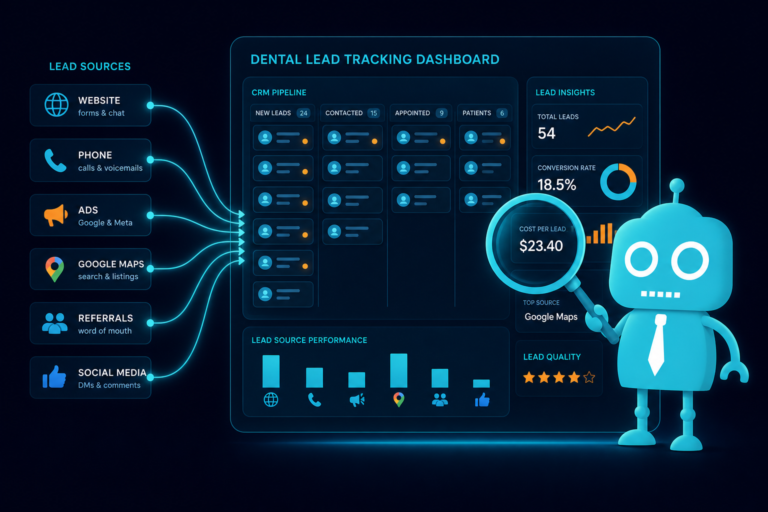
- Connect website forms to a dental CRM or lead management system.
- Create a daily inbox review process for the front desk.
- Use autoresponders so patients immediately know their message was received.
If your website generates leads but your office does not respond quickly, your marketing investment is leaking revenue.
Poor Website-to-Office Handoff Breaks the Patient Journey
Your dental website may do an excellent job explaining services, showing reviews, introducing the doctor, and encouraging patients to request an appointment. But if the handoff from website to front desk is weak, conversions drop.
This is where many practices lose leads. The website creates interest, but the office experience does not continue the momentum.
What a poor handoff looks like
- A patient fills out a “Request an Appointment” form and receives no next-step instructions.
- The front desk calls without knowing which service the patient asked about.
- A patient mentions they requested Invisalign online, but the team treats it like a general cleaning inquiry.
- The website promotes same-day emergency appointments, but the front desk is not aware of that offer.
- The website lists financing options, but the team does not mention them during the call.
When the website and office are not aligned, patients notice. They may wonder if the practice is professional, organized, or trustworthy.
How to improve the handoff
- Make sure website forms capture the reason for the visit.
- Send form details directly into your CRM or front desk workflow.
- Train the team on current website offers, services, and promotions.
- Create call scripts for high-value services like implants, veneers, Invisalign, and emergency dentistry.
- Review website inquiries during morning huddles when appropriate.
A strong website-to-office handoff makes the patient feel understood before the first conversation even begins.
No Follow-Up Reminders Means Leads Go Cold
Not every patient books on the first contact. Some need to check their schedule, talk to a spouse, review insurance, or think through treatment options. Without follow-up, these leads often disappear.
Many dental offices unintentionally rely on the patient to call back. But patients are busy, distracted, and often anxious about dental care. If your practice does not follow up, another office may.
Leads that need follow-up
- Patients who requested an appointment but did not schedule.
- Patients who asked about pricing or insurance.
- Patients interested in cosmetic dentistry or implants.
- Emergency callers who did not book immediately.
- Patients who canceled and did not reschedule.
- New patients who started intake forms but did not finish.
Example follow-up sequence
A simple follow-up process can help recover leads without feeling pushy:
- Immediately: Send an automatic confirmation that the inquiry was received.
- Within 15 to 30 minutes: Call the patient during business hours.
- Same day: Send a text if the call is missed.
- Next day: Follow up by email with helpful next steps.
- Three to five days later: Send one more friendly reminder.
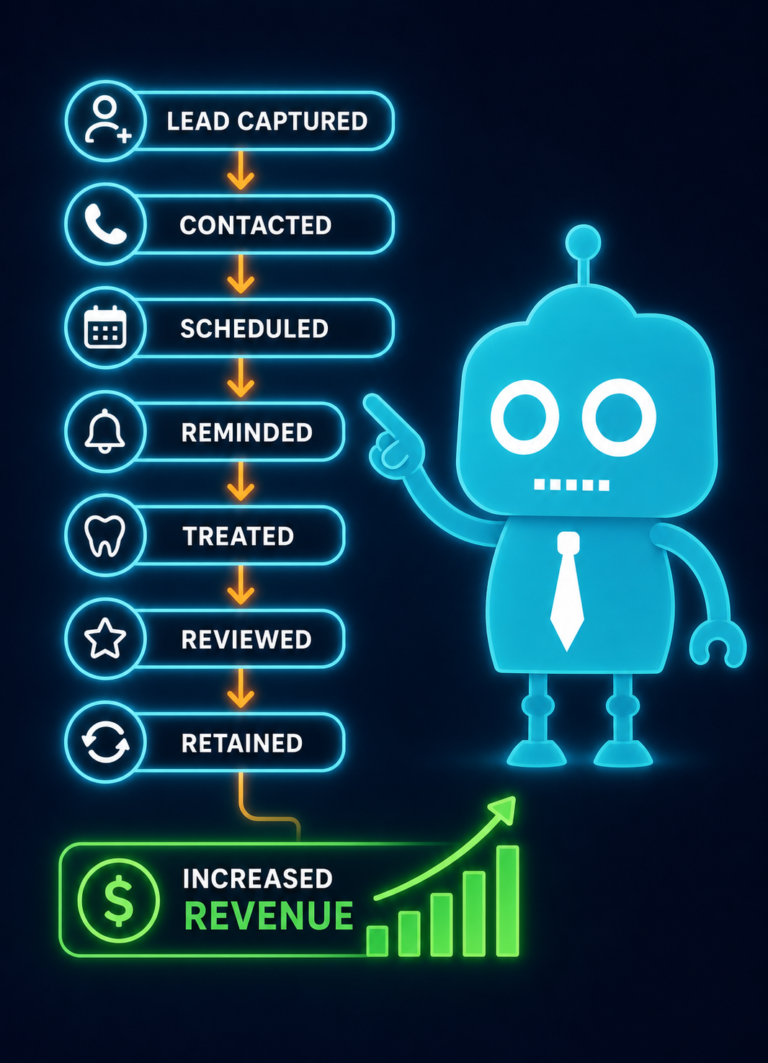
This kind of follow-up keeps your practice top of mind and shows patients you care about helping them move forward.
No CRM Notes Creates Repetition and Confusion
Dental front desk teams are busy. Between check-ins, insurance verification, hygiene schedules, treatment plans, phone calls, and patient questions, details can easily get lost.
That is why CRM notes matter. A customer relationship management system—or a lead management workflow connected to your dental software—helps your team track conversations with prospective patients.
Without notes, patients may have to repeat themselves every time they call. That creates frustration and makes the practice feel disorganized.
What should be documented in CRM notes?
- How the patient found the practice, such as Google, website, referral, or social media.
- The service they asked about.
- Insurance details or financing concerns.
- Preferred appointment times.
- Whether they are anxious or have a specific concern.
- Whether a voicemail, text, or email was sent.
- The next follow-up date.
Practical example
A patient submits a form asking about dental implants. The front desk calls once and leaves a voicemail, but no note is entered. Two days later, another team member calls and treats the inquiry like a general exam request. The patient feels like the office did not listen and chooses a competitor with a more organized consultation process.
Good notes create continuity. They help your team personalize communication and convert more leads into scheduled appointments.
No Automation Slows Down the Entire Front Desk
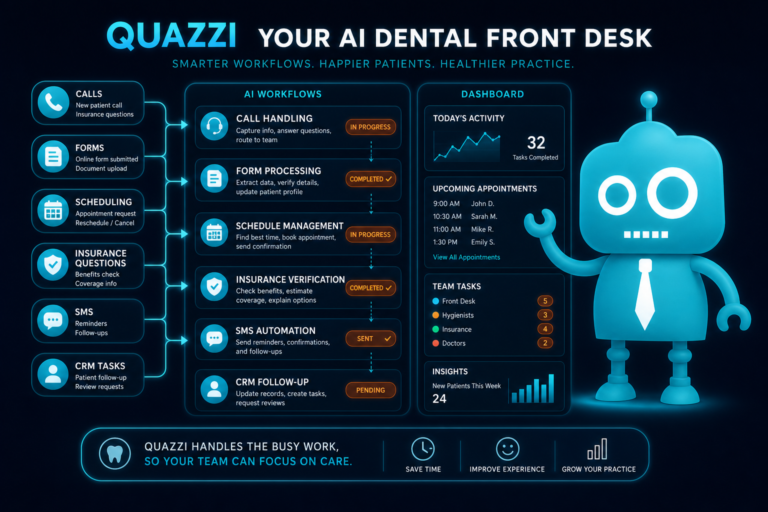
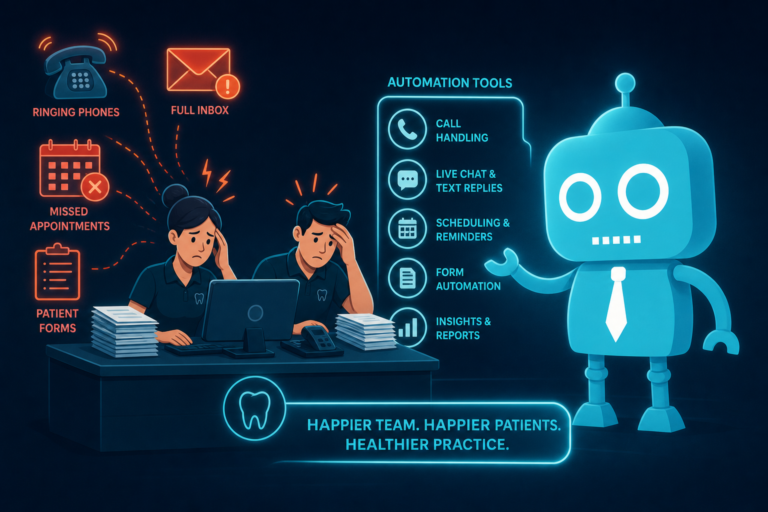
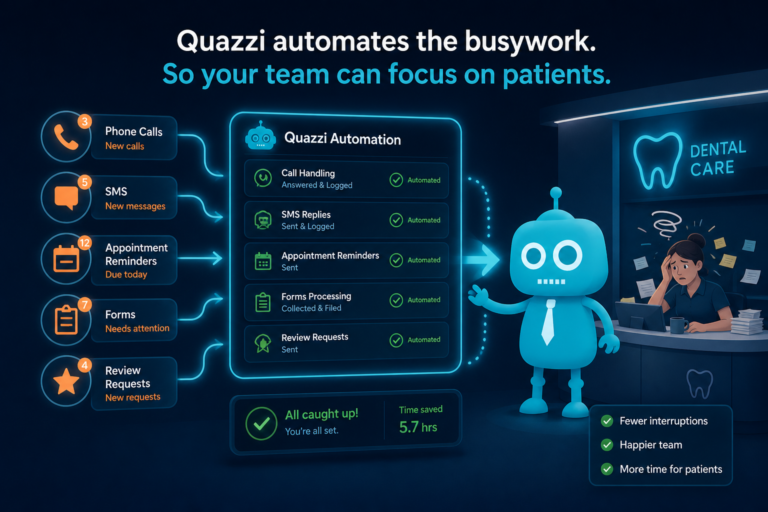
Dental office teams cannot manually manage every lead, reminder, confirmation, missed call, email, and follow-up perfectly all day. That is where automation helps.
Automation does not replace your front desk team. It supports them by making sure important communication happens consistently.
Useful automation for dental practices
- Instant form confirmations: Let patients know their request was received.
- New lead alerts: Notify the office immediately when a website inquiry arrives.
- SMS appointment reminders: Reduce no-shows and last-minute confusion.
- Email follow-up sequences: Nurture patients who are not ready to book immediately.
- Missed call text-back: Automatically text callers when the office cannot answer.
- Review requests: Ask happy patients to leave reviews after completed visits.
- Recall reminders: Encourage hygiene patients to return on schedule.
- Incomplete form reminders: Prompt new patients to finish intake paperwork.
Automation is especially valuable for practices investing in SEO, Google Ads, social media, or website redesigns. If marketing generates more inquiries but the communication system cannot keep up, leads will still be lost.
Poor Communication Also Affects Reviews and Reputation
Patients judge the entire dental experience, not just the clinical appointment. Communication before and after the visit can influence reviews, referrals, and retention.
A patient may leave a positive review because scheduling was easy, insurance was explained clearly, reminders were helpful, and the office followed up after treatment. On the other hand, a patient may leave frustrated feedback if they felt ignored, confused, or rushed.
Communication moments that shape reviews
- How quickly the office responds to new patient inquiries.
- How clearly appointment details are confirmed.
- How well insurance and payment expectations are explained.
- How easy it is to complete forms before the visit.
- How well the team follows up after treatment.
- How simple it is to reschedule or ask questions.
Strong communication helps create a smoother patient experience, which can lead to better reviews and stronger local SEO performance over time.
How Dental Practices Can Fix Communication Gaps
Improving communication does not always require hiring more staff. Often, it starts with better systems, clearer responsibilities, and more reliable technology.
1. Audit your lead response process
Track what happens after a patient calls, submits a website form, sends an email, or requests an appointment. Look for delays, missed messages, and unclear ownership.
2. Standardize front desk scripts
Create simple scripts for common inquiries such as new patient exams, emergencies, insurance questions, cosmetic consultations, dental implants, Invisalign, and second opinions.
3. Connect your website to your CRM
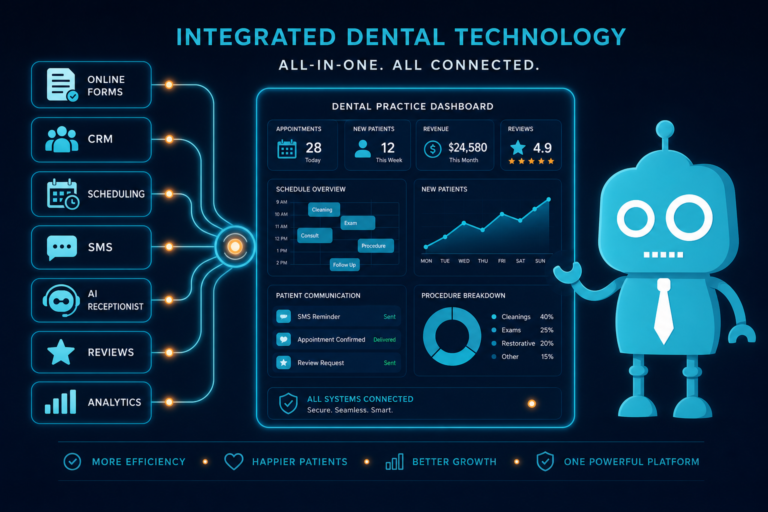
Website leads should not sit in an inbox unnoticed. They should flow into a system where your team can track status, notes, follow-ups, and outcomes.
4. Use SMS and email automation
Patients respond well to convenient communication. Automated texts and emails can confirm appointments, remind patients to complete forms, and follow up with unscheduled leads.
5. Review lost leads regularly
Look at missed calls, unbooked website inquiries, canceled appointments, and no-shows. These reports can reveal where communication is breaking down.
6. Align your website with front desk operations
If your website promotes emergency dentistry, clear aligners, implants, membership plans, or online scheduling, your team should be prepared to discuss those services confidently.
The Competitor Who Communicates Better Often Wins
Patients have options. If your dental office is slow to respond, unclear about next steps, or inconsistent with follow-up, they may choose another practice even if they originally preferred yours.
Great communication builds trust before the first appointment. It helps patients feel seen, informed, and confident. For dental practices, that can mean more scheduled new patient appointments, fewer lost leads, better reviews, and stronger return on marketing investment.
The practices that win are not always the ones with the biggest ad budget. Often, they are the ones with the best follow-through.
Improve Dental Website Communication with CreateTheSite.com
If your dental website is generating traffic but leads are falling through the cracks, CreateTheSite.com can help you build a smoother path from online visitor to scheduled patient.
CreateTheSite.com helps dental practices with modern website design, secure hosting, mobile optimization, lead capture forms, CRM integrations, SMS and email automation, appointment follow-up, and ongoing website support.
From better website forms to automated confirmations and front desk-friendly lead workflows, CreateTheSite.com focuses on helping dental offices turn online interest into real appointments. If you want a dental website that supports your team, improves communication, and helps prevent patients from choosing a competitor, CreateTheSite.com is ready to help.
Visit CreateTheSite.com to learn how a modern, conversion-focused dental website can support your practice growth.