Why Dental Offices Need Better Lead Tracking
Most dental practices want more new patients. They invest in a better website, Google Ads, SEO, social media, local listings, referral campaigns, and review generation. But there is a problem many offices overlook:
You cannot improve lead generation if you cannot see what happens to the leads you already have.
A dental office may think it needs more traffic, more ads, or a bigger marketing budget. In reality, the practice may already be receiving enough inquiries, but losing them through missed calls, slow follow-up, confusing forms, weak front desk processes, or poor campaign tracking.
Better lead tracking helps independent dental practice owners, dentists, and office managers understand where new patient opportunities come from, how they convert, and where they are being lost. Without that visibility, marketing decisions are based on guesses instead of data.
Lead Tracking Is the Missing Link Between Dental Marketing and New Patient Growth
Dental marketing is not just about generating clicks, calls, and form submissions. The real goal is to turn those inquiries into scheduled appointments and completed treatment.
Lead tracking connects the full journey:
- A potential patient searches for “emergency dentist near me”
- They click a Google ad or organic search result
- They visit the dental website
- They call, submit a form, or request an appointment
- The front desk follows up
- The patient schedules an appointment
- The appointment is completed
- The patient leaves a review or accepts a treatment plan
If your practice can only see part of this journey, you may be missing the most important information. For example, knowing that a campaign generated 40 calls is helpful. Knowing that 12 were missed, 8 were about Medicaid you do not accept, 10 scheduled, and 6 completed appointments is much more valuable.
Dental Practices Need to Know Which Lead Sources Are Actually Working
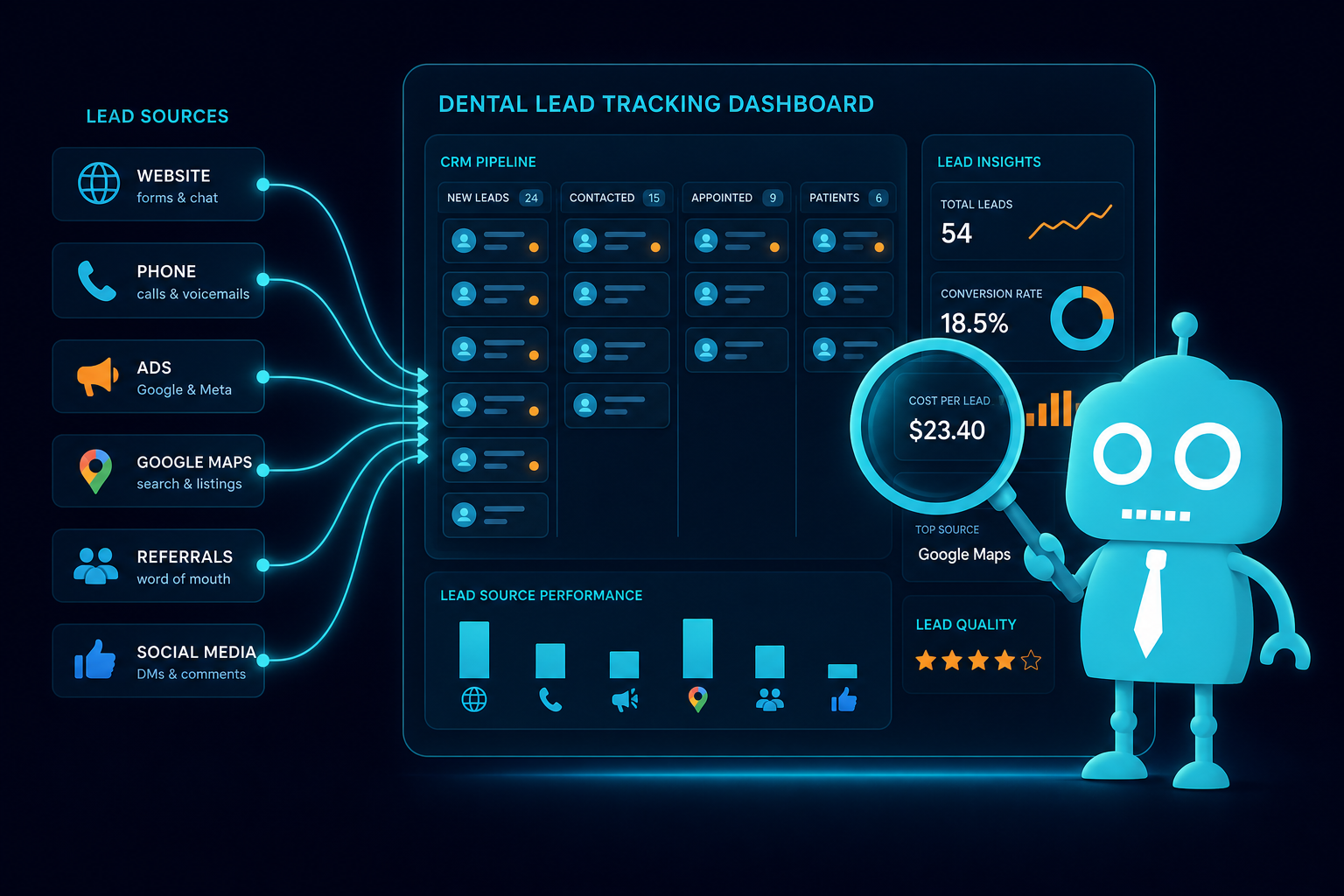
Not every lead source produces the same quality of patient. A dental practice may receive inquiries from Google Business Profile, organic search, paid ads, Facebook, Instagram, direct website visits, referral partners, email campaigns, or third-party directories.
Without lead source tracking, it becomes difficult to know which channels deserve more attention and which ones are wasting time or budget.
Common Dental Lead Sources to Track
- Google Business Profile: Calls, direction requests, website visits, and appointment clicks from local search and Google Maps.
- Organic SEO: Website visitors who find the practice through non-paid search results, such as “family dentist in [city].”
- Google Ads: Paid campaigns for services like dental implants, Invisalign, emergency dentistry, or teeth whitening.
- Social media: Leads from Facebook, Instagram, community posts, and paid social campaigns.
- Referral traffic: Visitors from partner websites, local directories, insurance pages, or dental association listings.
- Direct traffic: Patients who type in the practice website or arrive from offline marketing such as mailers, signage, or word-of-mouth.
- Email and SMS campaigns: Existing patients responding to reactivation, recall, whitening specials, or treatment follow-up messages.
For example, an office may discover that Facebook generates many low-intent questions, while Google Business Profile produces fewer leads but more scheduled appointments. That insight changes how the practice allocates its marketing budget.
Campaign Conversion Tracking Shows What Turns Interest Into Appointments
Many dental offices measure marketing success by website traffic or ad clicks. Those numbers matter, but they do not tell the full story.
Campaign conversion tracking shows whether marketing activity is producing real patient opportunities. A conversion may include:
- Phone calls from the website
- Appointment request form submissions
- New patient special inquiries
- Insurance questions
- Emergency appointment requests
- Consultation requests for implants, Invisalign, veneers, or other high-value services
- Clicks to call on mobile
- Clicks for directions
- Chat or text message inquiries
For dental practices, conversion tracking should not stop at the website form submission. It should continue through scheduling and appointment completion.
Practical Example: Two Campaigns With Very Different Outcomes
Imagine your practice runs two campaigns:
- Campaign A: “$99 New Patient Exam”
- Campaign B: “Dental Implant Consultation”
Campaign A generates 60 leads and Campaign B generates 20 leads. At first glance, Campaign A looks better. But after tracking the full conversion path, you find:
- Campaign A scheduled 12 appointments and produced low treatment acceptance.
- Campaign B scheduled 10 consultations and produced three implant cases.
Better lead tracking helps you understand not just lead volume, but lead value.
Missed Calls Are Often Missed New Patients
Phone calls remain one of the most important conversion points for dental practices. This is especially true for emergency dentistry, same-day appointments, broken teeth, tooth pain, and high-intent new patient searches.
If someone calls a dental office during business hours and nobody answers, that person may simply call the next dentist in the search results.
Why Dental Offices Miss Calls
- The front desk is helping patients in the office.
- Multiple calls come in at the same time.
- The team is short-staffed during lunch, early mornings, or late afternoons.
- Calls come from mobile ads after hours.
- The office has no call tracking or missed-call alerts.
- Voicemails are not returned quickly enough.
Lead tracking helps the office identify missed-call patterns. For example, a dashboard may show that the practice misses most calls between 12:00 p.m. and 1:30 p.m. That gives the office manager a clear operational issue to fix.
Missed Call Follow-Up Should Be Automatic
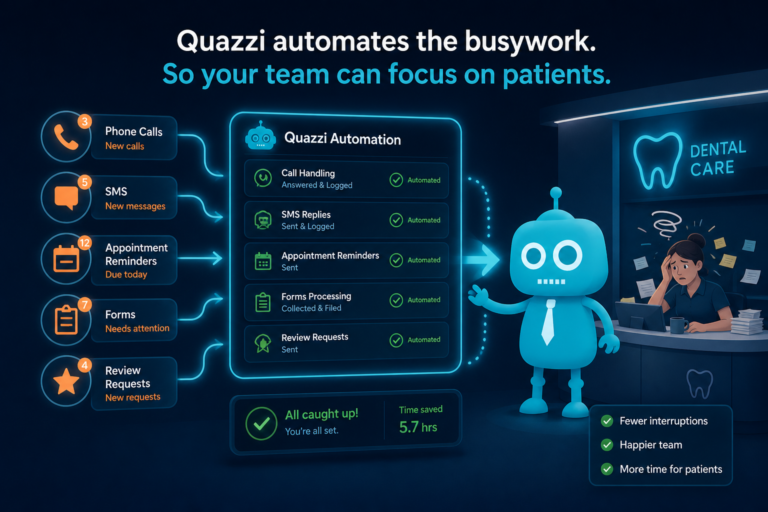
A strong dental lead tracking system can trigger an automatic SMS or email when a call is missed. For example:
“Hi, this is Bright Smile Dental. Sorry we missed your call. Would you like us to help you schedule an appointment? Reply here or call us back at 555-123-4567.”
This simple automation can recover leads that would otherwise disappear. It also reduces pressure on the front desk and creates a better experience for potential patients.
Unanswered Forms Create Silent Revenue Leaks
Many dental websites include contact forms, appointment request forms, new patient forms, consultation forms, and emergency request forms. But if those submissions are not tracked properly, they can easily fall through the cracks.
An unanswered form is often worse than no form at all. The patient believes they contacted the practice and waits for a response. If the office does not reply quickly, trust is damaged before the first visit.
Form Tracking Should Answer These Questions
- Which page generated the form submission?
- Which service was the patient interested in?
- Was the form delivered successfully to the office?
- Did the lead enter the CRM?
- Was the patient contacted?
- How long did it take to respond?
- Did the patient schedule?
- Was the appointment completed?
For example, if your dental implant page generates form submissions but few scheduled consultations, the issue may not be traffic. The issue may be slow follow-up, unclear pricing expectations, lack of financing information, or a front desk team that needs a stronger consultation script.
Service-Level Inquiries Help You Understand Patient Intent
Not all dental leads are equal. A patient asking about teeth whitening has a different level of urgency and value than a patient requesting emergency care or a full arch implant consultation.
Service-level inquiry tracking helps practices understand which treatments are driving interest and which website pages are producing the best opportunities.
Dental Services Worth Tracking Separately
- Emergency dentistry
- New patient exams and cleanings
- Dental implants
- Invisalign or clear aligners
- Cosmetic dentistry
- Veneers
- Teeth whitening
- Root canals
- Extractions
- Dentures
- Pediatric dentistry
- Periodontal treatment
- Sleep apnea appliances
When inquiries are tagged by service, the practice can make better decisions about website content, ad spend, SEO strategy, and follow-up workflows.
For example, if your Invisalign page receives traffic but few leads, the page may need stronger before-and-after visuals, clearer calls to action, financing information, FAQs, or a more mobile-friendly appointment request form. If emergency dentistry calls are high but many go unanswered, staffing and call routing may need attention.
First-Touch and Last-Touch Attribution Show How Patients Really Find You
Dental patients rarely convert in one step. A new patient may find your practice through a Google search, read reviews, visit your services page, leave, return from a retargeting ad, and then call from your Google Business Profile.
If you only track the final action, you may miss the marketing channel that introduced the patient to your practice.
What Is First-Touch Attribution?
First-touch attribution gives credit to the first marketing source that brought the person to your practice. For example, if a patient first found your website through an organic search for “dentist near me,” SEO receives first-touch credit.
This helps you understand which channels are creating awareness and introducing new patients to the practice.
What Is Last-Touch Attribution?
Last-touch attribution gives credit to the final interaction before the lead converts. For example, if the patient later clicks a Google ad and calls your office, Google Ads receives last-touch credit.
This helps you understand which channels are closing the conversion.
Why Both Matter for Dental Marketing
If you only look at last-touch attribution, you may undervalue SEO, blog content, review pages, or service pages that helped build trust earlier in the journey. If you only look at first-touch attribution, you may miss which campaigns pushed the patient to finally schedule.
A better dental CRM or lead tracking setup should help you see both. This is especially important for high-value services like dental implants, cosmetic dentistry, Invisalign, and full-mouth rehabilitation, where patients often research multiple times before contacting the office.
CRM Dashboards Give the Front Desk and Owners One Clear View
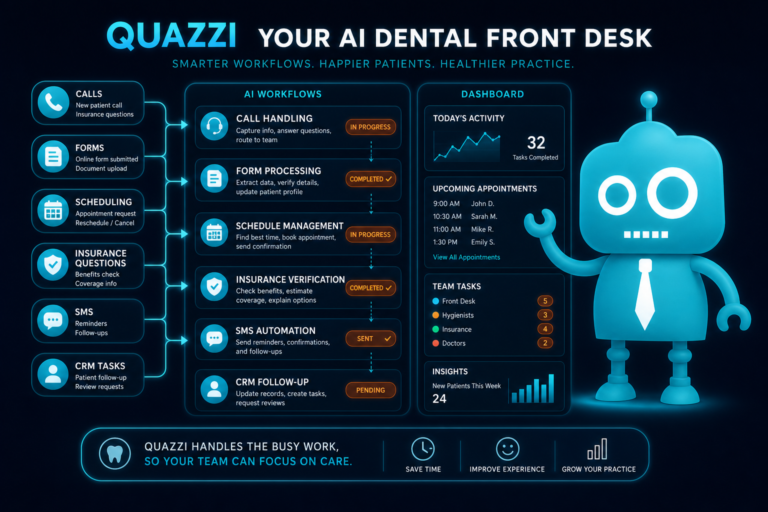
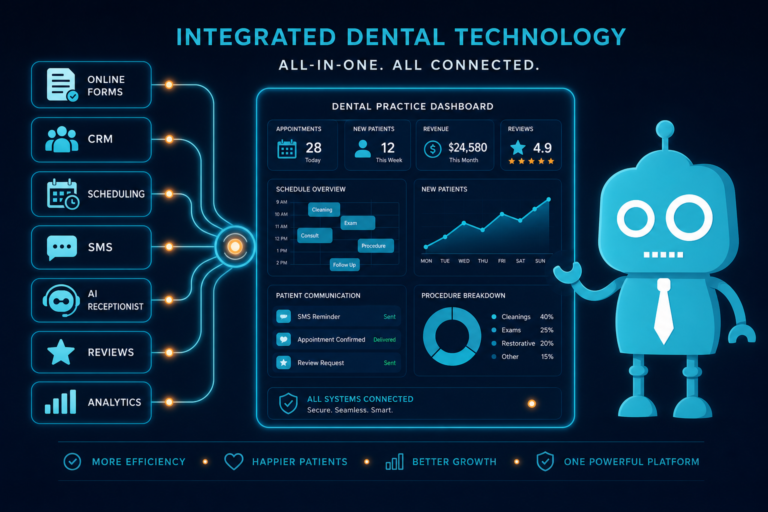
A dental CRM dashboard turns scattered lead data into something the practice can actually use. Instead of checking email inboxes, website forms, call logs, spreadsheets, ad accounts, and sticky notes, the team can see new patient opportunities in one place.
What a Dental Lead Tracking Dashboard Should Include
- New leads by source
- Calls, forms, chats, and text inquiries
- Missed calls
- Unanswered forms
- Lead response time
- Service requested
- Lead status
- Scheduled appointments
- No-shows and cancellations
- Completed appointments
- Campaign performance
- Revenue or estimated production by source
For office managers, this creates accountability and better workflow. For practice owners, it provides visibility into whether marketing dollars are creating real growth. For the front desk, it reduces confusion and helps prioritize follow-up.
Example Lead Statuses for a Dental CRM
- New inquiry
- Contacted
- Left voicemail
- Text sent
- Insurance pending
- Scheduled
- No-show
- Completed appointment
- Treatment plan presented
- Not a fit
- Needs follow-up
These statuses help the practice see where leads are getting stuck. If many leads are marked “left voicemail” but never move to “scheduled,” the office may need SMS follow-up, better call timing, or a more structured reattempt process.
SMS and Email Automation Improve Speed-to-Lead
In dental marketing, response time matters. A patient with tooth pain, a broken crown, or an interest in a cosmetic consultation is often contacting more than one office. The practice that responds quickly and clearly has an advantage.
SMS and email automation can help ensure that no inquiry sits unanswered.
Useful Automations for Dental Practices
- Instant form confirmation: Let patients know their request was received.
- Missed call text-back: Automatically respond when the office misses a call.
- Appointment request follow-up: Send a reminder if the lead has not scheduled.
- Consultation nurture sequence: Educate implant, Invisalign, or cosmetic leads before the appointment.
- Recall and reactivation messages: Bring overdue patients back into the schedule.
- Review requests: Ask satisfied patients to leave a Google review after completed visits.
Automation should not replace the human touch. It should support the front desk by making sure every patient receives a timely response and clear next step.
ROI Reporting Helps Dental Practices Spend Smarter
Marketing ROI reporting answers one of the most important questions for any dental practice: Which marketing efforts are actually producing new patient revenue?
A basic report may show clicks, impressions, and website traffic. A stronger report connects those metrics to leads, appointments, and production.
Dental Marketing ROI Metrics to Track
- Cost per lead
- Cost per scheduled appointment
- Cost per completed new patient appointment
- Lead-to-appointment conversion rate
- Appointment show rate
- Treatment acceptance by lead source
- Estimated production by campaign
- Return on ad spend
- Lifetime value of new patients by source
For example, a Google Ads campaign may look expensive based on cost per click. But if it generates implant consultations that turn into accepted treatment, the ROI may be excellent. On the other hand, a low-cost directory listing may produce many calls but few patients who match the practice’s ideal profile.
ROI reporting helps owners and managers make decisions based on outcomes instead of assumptions.
Better Lead Tracking Improves Front Desk Performance
Lead tracking is not about blaming the front desk. It is about giving the team the tools and visibility they need to succeed.
Dental front desks handle a lot: phone calls, check-ins, check-outs, insurance questions, scheduling, patient concerns, treatment coordination, and last-minute changes. Without a clear lead management process, new patient inquiries can easily get buried.
How Lead Tracking Supports the Front Desk
- Prioritizes urgent leads, such as emergency dental calls
- Shows which leads still need follow-up
- Reduces duplicate work and confusion
- Creates a record of calls, forms, texts, and emails
- Improves handoff between team members
- Helps managers coach phone skills using real data
- Makes response time measurable
When a lead tracking system is integrated with the website, CRM, and communication tools, the front desk can work from a clear queue instead of trying to remember who called, who filled out a form, and who still needs a response.
Your Website Should Be Built for Lead Capture and Tracking
A dental website should do more than look professional. It should convert visitors into patients and provide clear tracking data.
Important Website Features for Dental Lead Tracking
- Clickable phone numbers on mobile
- Clear appointment request buttons
- Service-specific contact forms
- Emergency appointment calls to action
- Tracking for form submissions and phone clicks
- Integration with a CRM or lead management system
- Fast mobile performance
- Google Analytics and conversion tracking setup
- Landing pages for high-value services
- Review integration to build trust before conversion
If your website is difficult to use on mobile, slow to load, or unclear about how to schedule, potential patients may leave before contacting the office. If your website is not connected to tracking and CRM systems, you may never know how many opportunities were lost.
Reviews and Reputation Data Should Be Part of the Lead Picture
Reviews play a major role in dental patient decisions. A prospective patient may compare your Google rating, review count, recent comments, and responses before calling.
Lead tracking can help connect reputation management with new patient acquisition. For example, if website traffic is strong but conversion is low, the issue may not be the website design or ad targeting. It may be that competitors have stronger reviews, more recent patient feedback, or better responses to negative reviews.
Review-Related Metrics to Watch
- Google review rating
- Number of recent reviews
- Review velocity
- Keywords mentioned in reviews, such as “gentle,” “emergency,” or “Invisalign”
- Conversion rates before and after review campaigns
- Review requests sent after completed appointments
When reviews, website conversion, and lead tracking are viewed together, the practice gets a more complete picture of why patients choose to schedule.
Signs Your Dental Practice Needs Better Lead Tracking
If you are unsure whether your current system is working, look for these warning signs:
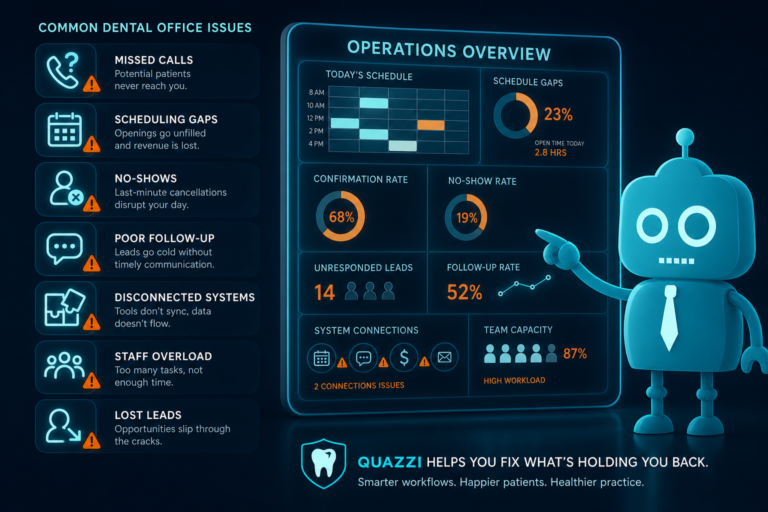
- You do not know how many new patient calls were missed last month.
- Website forms go to a general email inbox with no follow-up tracking.
- Your team manually tracks leads in spreadsheets or paper notes.
- You cannot tell which campaigns generated scheduled appointments.
- You know your cost per click but not your cost per new patient.
- Google Ads and SEO reports do not connect to appointment outcomes.
- Patients say, “I submitted a form but never heard back.”
- The front desk is unsure which leads still need follow-up.
- You cannot separate implant leads from general cleaning requests.
- You are spending money on marketing but cannot clearly prove ROI.
Any one of these issues can reduce new patient growth. Several of them together can create a major revenue leak.
How to Start Improving Lead Tracking in Your Dental Office
Better lead tracking does not have to happen all at once. Start with the highest-impact areas and build from there.
Step 1: Track Every Lead Source
Make sure calls, forms, chats, texts, ads, SEO traffic, Google Business Profile activity, and referral sources are being captured. At minimum, your practice should know where each lead came from.
Step 2: Monitor Missed Calls and Form Response Time
These are two of the fastest ways to find lost opportunities. If calls are being missed or forms are sitting unanswered, fix that before increasing ad spend.
Step 3: Tag Leads by Service
Separate emergency, implant, Invisalign, cosmetic, hygiene, and general new patient inquiries. This helps your practice understand both volume and value.
Step 4: Connect Leads to Appointments
Do not stop tracking at the inquiry. Track whether the lead was contacted, scheduled, showed up, and completed the appointment.
Step 5: Use CRM Dashboards and Automation
A centralized dashboard helps the team manage follow-up. SMS and email automation help prevent leads from going cold.
Step 6: Review ROI Monthly
Look at campaign performance, cost per scheduled patient, missed opportunities, and service-level results. Use that information to improve your website, advertising, SEO, and front desk process.
The Bottom Line: You Cannot Improve What You Cannot See
Dental practices often assume they need more leads. Sometimes they do. But many offices first need a clearer view of what is happening to the leads already coming in.
Better lead tracking reveals which sources generate quality patients, which campaigns convert, which calls are missed, which forms go unanswered, which services drive demand, and which marketing efforts produce real ROI.
When your website, CRM, phone tracking, SMS/email automation, and front desk workflows work together, your practice can stop guessing and start improving. That is how dental marketing becomes measurable, manageable, and more profitable.
Build a Better Lead Tracking Foundation With CreateTheSite.com
CreateTheSite.com helps dental practices turn their websites into stronger new patient acquisition systems. A modern dental website should not only look professional — it should load fast, work beautifully on mobile, capture leads clearly, and connect with the tools your team uses to follow up.
CreateTheSite.com supports dental offices with:
- Modern dental website design
- Reliable website hosting
- Mobile optimization
- Lead capture forms
- CRM integrations
- SMS and email automation
- Appointment follow-up workflows
- Ongoing website support
If your dental practice is investing in marketing but cannot clearly see what happens to each new patient inquiry, it may be time to improve the system behind your website. CreateTheSite.com can help you build a cleaner, more trackable, more patient-friendly online presence that supports your front desk and helps more leads become scheduled appointments.
Ready to make your dental website work harder for your practice? Visit CreateTheSite.com to learn how better design, lead capture, CRM integration, and automation can support smarter new patient growth.