The Biggest Mistakes Dental Practices Make with Lead Generation
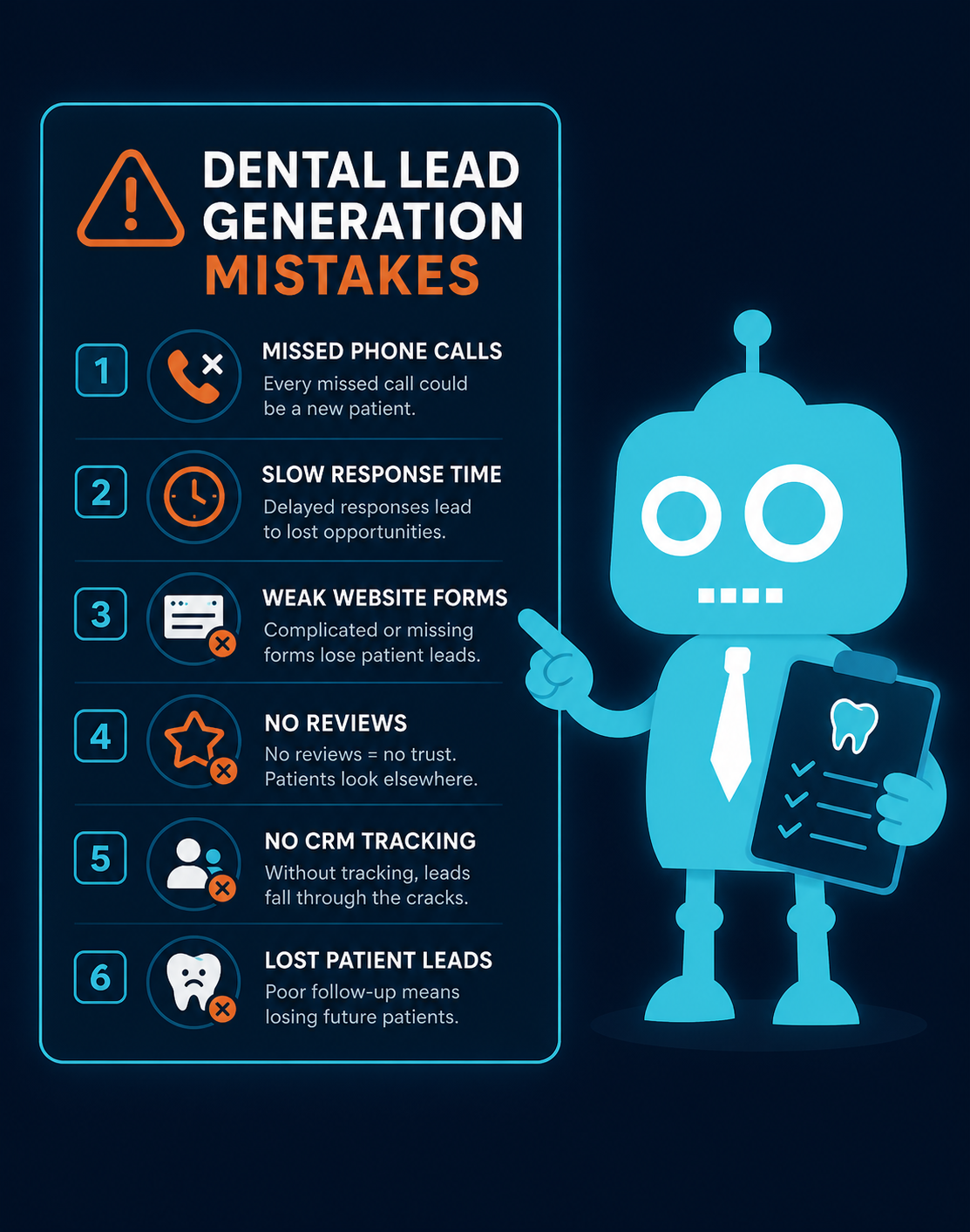
Most dental practices think of lead generation as “getting more people to fill out a form” or “getting more phone calls.” But the biggest lead generation mistakes often happen before, during, and after a potential patient reaches out.

A new patient may visit your website after searching “dentist near me,” clicking a Google ad, reading reviews, or hearing about your practice from a friend. What happens next determines whether that person becomes a scheduled appointment—or disappears forever.
For independent dental practice owners, dentists, and office managers, improving lead generation is not just about more traffic. It is about building a better system for converting interest into booked appointments and long-term patient relationships.
Here are the most common lead generation mistakes dental practices make, organized by when they happen: before capture, during capture, and after capture.
Before Capture: Mistakes That Stop Patients Before They Contact You
Before a patient ever fills out a form or calls your office, they are evaluating your practice. Your website, Google Business Profile, reviews, service pages, and calls-to-action all influence whether they feel confident enough to take the next step.
1. Having a Weak or Outdated Dental Website
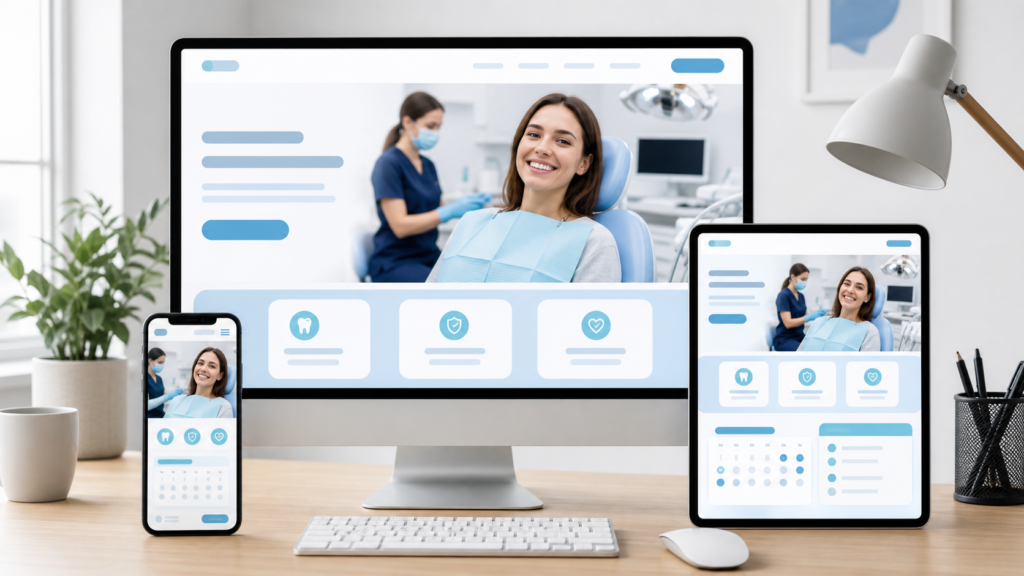
Your website is often the first real impression a potential patient has of your dental practice. If it looks outdated, loads slowly, or is difficult to use on a phone, many visitors will leave without contacting you.
This is especially important because most dental searches happen on mobile devices. A patient may be looking for care during a lunch break, after work, or while dealing with a dental emergency. If your site is slow or confusing, they will likely move on to another local dentist.
Common dental website problems include:
- Outdated design that does not reflect the quality of your practice
- Poor mobile experience
- Slow page load times
- Hard-to-find phone number or appointment button
- Generic stock photos instead of real office or team images
- Thin service pages with little useful information
- No trust signals, such as reviews, credentials, or before-and-after examples
For example, if someone is searching for “Invisalign dentist in [city]” and lands on a page with only two vague sentences about clear aligners, that page is unlikely to convert. A stronger page would explain who is a good candidate, what the process looks like, how consultations work, and how to schedule.
A strong dental website should make patients feel three things quickly:
- You are credible. Show experience, reviews, technology, and patient outcomes.
- You offer what they need. Make services easy to find and understand.
- It is easy to take the next step. Prominent calls, appointment forms, and mobile-friendly buttons matter.
2. Using Unclear Calls-to-Action
A call-to-action, or CTA, tells the visitor what to do next. Many dental websites use vague or inconsistent CTAs, which creates friction.
Examples of weak CTAs include:
- “Submit”
- “Learn More”
- “Contact Us” with no context
- A phone number buried in the footer
These do not clearly connect to the patient’s intent. Someone looking for an emergency dentist does not want to “learn more.” They want to know if you can help today. Someone interested in dental implants may not be ready to book surgery, but they may be willing to request a consultation.
Better dental CTAs include:
- “Request a New Patient Appointment”
- “Schedule an Invisalign Consultation”
- “Call Now for Emergency Dental Care”
- “Ask About Dental Implant Options”
- “Book a Cosmetic Dentistry Consultation”
Your CTA should match the page. A general family dentistry page may use “Request an Appointment,” while a dental implant page may perform better with “Schedule a Dental Implant Consultation.”
Also, CTAs should appear more than once. On a service page, include a CTA near the top, after key sections, and at the bottom. On mobile, use tap-to-call buttons and simple appointment request buttons that are easy to use with one thumb.
During Capture: Mistakes That Reduce Website Conversion
Once a potential patient decides to reach out, the lead capture process must be simple, clear, and fast. This is where many dental practices lose qualified leads without realizing it.
3. Relying on Generic Contact Forms
A generic contact form is one of the most common lead generation mistakes in dental marketing. Many practices use one basic form for every visitor, no matter what the person needs.
The typical form asks for:
- Name
- Phone number
- Message
That may be enough for a general question, but it is often not enough to help your front desk team respond effectively. It also does not create a helpful experience for the patient.
A better approach is to use forms that match the type of lead.
For example, a new patient appointment form could ask:
- Preferred appointment type
- Preferred day or time
- Insurance provider, if applicable
- Whether the patient is new or existing
- Best method of contact
A dental implant consultation form could ask:
- Are you missing one tooth, several teeth, or all teeth?
- Have you been told you need extractions?
- Are you interested in financing options?
- Preferred consultation time
A cosmetic dentistry form could ask:
- What treatment are you interested in?
- Veneers, whitening, bonding, Invisalign, or smile makeover?
- Timeline for treatment
- Whether they would like a consultation
This does not mean forms should be long or overwhelming. The goal is to collect enough useful information to help your team respond with relevance. A well-designed form improves conversion and helps your office prioritize leads.
4. Making the Patient Work Too Hard
Dental lead capture should be easy. If a patient has to search for your phone number, fill out too many fields, or guess what happens after submitting a form, conversion rates will drop.
Patients want clarity. They want to know:
- Will someone call me?
- How soon will I hear back?
- Can I request a specific appointment time?
- Do you accept my insurance?
- Is this consultation free or paid?
Small details can make a meaningful difference. For example, instead of a button that says “Submit,” use “Request My Appointment.” After the form is completed, show a thank-you message that explains the next step:
“Thank you. Our front desk team will contact you shortly during business hours to confirm your appointment request. If this is a dental emergency, please call our office directly at [phone number].”
This reduces uncertainty and gives the patient confidence that their request was received.
After Capture: Mistakes That Cause Leads to Go Cold
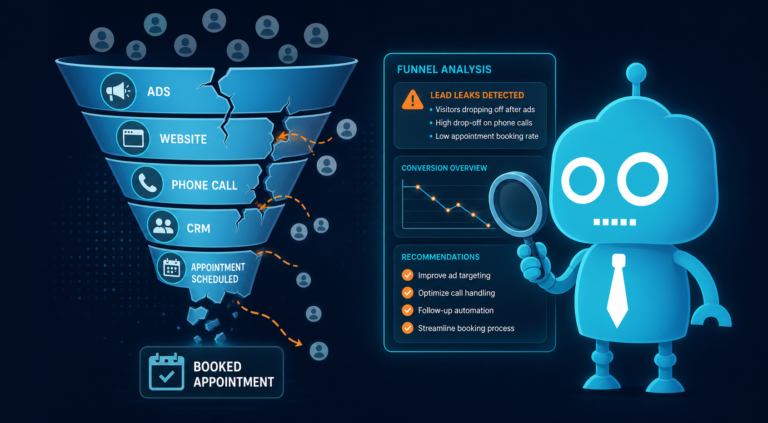
Many practices focus heavily on getting the lead but do not have a reliable process after the lead comes in. This is where revenue is often lost.
A lead is not a patient until the appointment is scheduled, confirmed, attended, and followed through. Your front desk operations, CRM system, phone process, and follow-up automation all play a role.
5. Responding Too Slowly
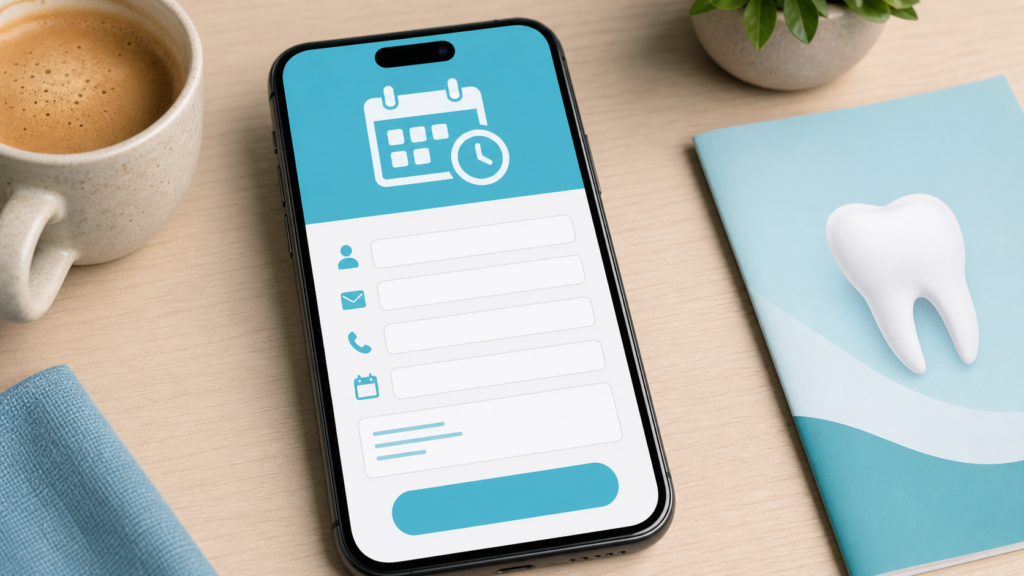
Slow response is one of the most expensive dental lead generation mistakes. When someone requests an appointment, they are usually contacting your practice while they are actively making a decision. If you wait hours—or days—to respond, they may schedule with another office.
This is especially true for:
- Emergency dental care
- New patient cleanings
- Tooth pain or broken tooth inquiries
- Cosmetic dentistry consultations
- Dental implant consultations
- Invisalign or clear aligner consultations
Speed matters. A lead submitted at 10:00 a.m. should not sit unnoticed until the end of the day. If your office is busy, your systems should still help the team respond quickly.
Practical improvements include:
- Send form submissions to a shared front desk inbox
- Use CRM notifications for new leads
- Trigger an automatic SMS or email confirmation immediately
- Create a same-day response policy
- Assign one team member to monitor new digital inquiries
- Use missed-call text-back when phone calls are not answered
Even a simple automated text can help keep the lead warm:
“Hi [Name], thanks for contacting [Practice Name]. We received your appointment request and will reach out shortly. If you need urgent dental care, please call us at [phone number].”
This reassures the patient and reduces the chance that they keep searching.
6. Not Tracking Lead Sources
If you do not know where your leads are coming from, you cannot confidently improve your marketing. Many dental practices spend money on SEO, Google Ads, social media, mailers, and referral programs without clear tracking.
Lead source tracking helps answer important questions:
- How many new patient inquiries came from Google search?
- Which service pages generate the most leads?
- Are Google Ads producing quality appointment requests?
- Which campaigns lead to booked appointments, not just form fills?
- Are implant leads coming from organic search, paid ads, or referrals?
Without tracking, practices often make decisions based on assumptions. For example, you may think Instagram is generating new patients because people mention seeing your posts, but your website forms may show that most booked consults are actually coming from Google searches for specific services.
Useful tracking tools and methods include:
- Google Analytics conversion tracking
- Google Search Console data
- Call tracking numbers
- UTM links for ads and campaigns
- CRM lead source fields
- Form tracking by page or service type
- Appointment outcome tracking inside your practice workflow
The key is not just tracking leads. It is tracking which leads become scheduled and completed appointments. A dental implant inquiry is much more valuable if it books and shows up. Your marketing data should connect as closely as possible to actual production opportunities.
7. Failing to Follow Up with Unbooked Leads

Not every lead books on the first contact. Some patients miss your call. Some are comparing offices. Some need to check their schedule, insurance, or financing options. If your practice does not follow up, many of these leads will be lost.
A common scenario looks like this:
- A patient submits a form asking about a new patient appointment
- The front desk calls once and leaves a voicemail
- No one tries again
- The lead is forgotten
That is not a follow-up system. That is a single attempt.
A stronger follow-up process may include:
- Call within a defined response window
- Send a text if there is no answer
- Send a helpful email with scheduling information
- Try again the next business day
- Mark the lead status in your CRM
- Continue light follow-up for a short period
For example, if a new patient lead does not answer the phone, your office could send:
“Hi [Name], this is [Practice Name]. We received your appointment request and would be happy to help you find a convenient time. You can reply here or call us at [phone number].”
This gives the patient an easy way to respond. Many people prefer texting, especially during work hours. SMS follow-up can be especially effective for dental practices when used professionally and with proper consent.
The High-Value Treatment Mistake: No Nurture System
High-value dental treatments usually require more decision-making than a routine cleaning. Patients considering dental implants, Invisalign, veneers, dentures, full-mouth rehabilitation, or cosmetic dentistry may need education, reassurance, financing information, and multiple touchpoints before they book.
8. Treating High-Value Leads Like General Contact Requests
A dental implant lead is not the same as someone asking for your office hours. A cosmetic dentistry lead is not the same as someone requesting a hygiene appointment. High-value treatment leads deserve a more intentional process.
Many patients are interested but not ready. They may be wondering:
- How much will treatment cost?
- Will insurance cover any part of it?
- Do you offer financing?
- Will the procedure hurt?
- How many appointments are required?
- Am I a good candidate?
- Can I trust this practice with a major treatment?
If your only follow-up is “Call us to schedule,” you may lose people who need more information before they feel ready.
A nurture system uses email and SMS automation to educate and encourage leads over time. This does not replace personal communication from your team. It supports it.
Examples of Dental Lead Nurture Campaigns
For a dental implant inquiry, a nurture sequence might include:
- Immediate confirmation that the request was received
- A short explanation of what happens at an implant consultation
- A message about financing or payment options
- Patient testimonials or review highlights
- A reminder to schedule a consultation
- Educational content about single implants vs. implant-supported dentures
For an Invisalign or clear aligner lead, a sequence might include:
- What to expect during a consultation
- Common signs you may be a good candidate
- How treatment fits into adult lifestyles
- Before-and-after examples, if available and compliant
- A reminder to reserve a consultation time
For cosmetic dentistry, nurture content could address:
- Smile makeover options
- Veneers vs. bonding vs. whitening
- How consultations are personalized
- Reviews from patients who improved their smiles
- Financing or phased treatment planning
The purpose of nurture is to keep your practice top of mind while helping the patient feel informed. When done well, automation feels helpful—not pushy.
How Reviews Support Dental Lead Generation

Reviews are not just a reputation tool. They are part of your lead generation system.
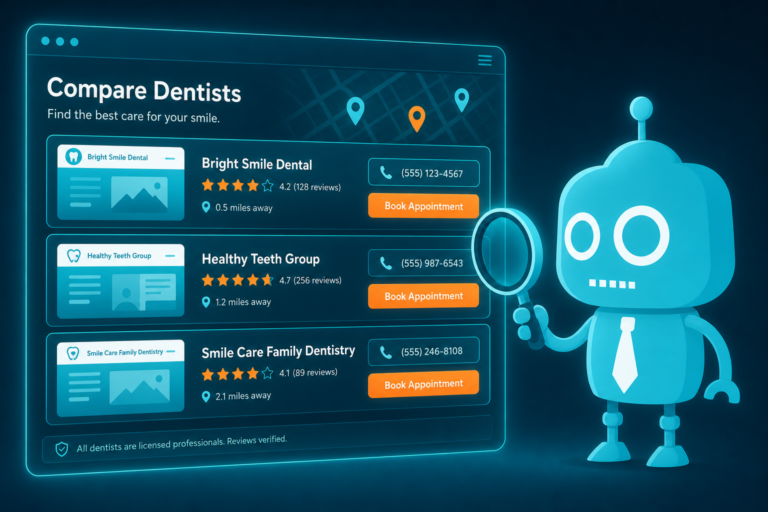
Before a patient contacts your office, they often check your Google reviews. After they land on your website, they may look for testimonials or proof that other patients had a good experience. For high-value treatments, reviews can reduce hesitation and increase trust.
Dental practices should make reviews visible and easy to find. Consider adding review highlights to:
- Your homepage
- New patient pages
- Dental implant pages
- Cosmetic dentistry pages
- Emergency dentistry pages
- Appointment request pages
Your team should also have a consistent process for requesting reviews from happy patients. The more current, specific, and authentic your reviews are, the more they support conversion.
Front Desk Operations Can Make or Break Lead Generation
Even the best dental website cannot overcome a broken intake process. Your front desk team is a critical part of lead conversion.
Common operational issues include:
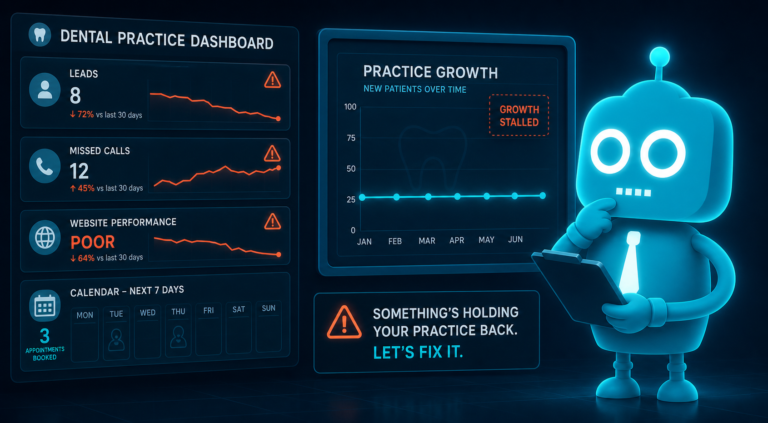
- Calls going unanswered during business hours
- No script for new patient inquiries
- No process for handling web form submissions
- No tracking for whether leads booked
- No follow-up task assigned when a lead does not answer
- No visibility into marketing source or treatment interest
A strong front desk lead process should include clear expectations:
- How quickly new leads should be contacted
- Who is responsible for follow-up
- What information should be collected
- How leads are entered into the CRM or practice management workflow
- How unbooked leads are followed up
- How high-value leads are handled differently
For example, an implant inquiry may need a more consultative conversation than a routine cleaning request. Your team should be prepared to answer basic questions, explain the consultation process, mention financing if available, and confidently guide the patient toward scheduling.
A Better Dental Lead Generation System
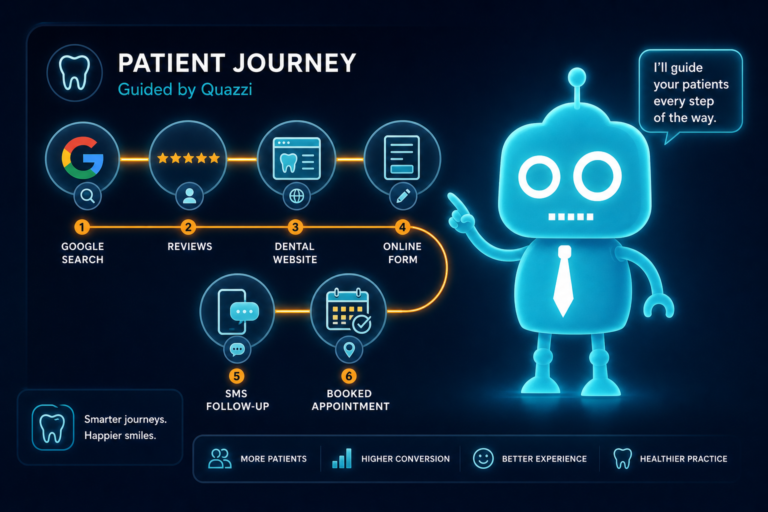
Dental lead generation works best when every stage is connected. Instead of thinking only about traffic or form fills, look at the full patient journey.
Before Capture
- Modern, mobile-friendly website
- Clear service pages for high-intent searches
- Strong reviews and trust signals
- Specific calls-to-action
- Fast-loading pages
During Capture
- Simple appointment request forms
- Service-specific lead forms
- Click-to-call buttons
- Clear confirmation messages
- CRM integration where possible
After Capture
- Fast response from the front desk
- Automated SMS and email confirmations
- Lead source tracking
- Follow-up for unbooked leads
- Nurture campaigns for high-value treatments
- Reporting that connects leads to booked appointments

When these pieces work together, your practice can get more value from the traffic it already has. You may not need dramatically more website visitors. You may need a better system for converting the right visitors into scheduled patients.
Final Thoughts: Lead Generation Is a System, Not a Single Form
The biggest lead generation mistakes dental practices make are rarely caused by one issue. They happen when the patient journey has gaps.
A weak website hurts trust before the patient contacts you. Unclear CTAs and generic forms reduce conversion during capture. Slow response, poor tracking, and lack of follow-up cause leads to go cold after capture. And without nurture, high-value treatment leads may never become consultations.
Independent dental practices can compete more effectively by improving each step of the process. A modern website, better lead capture, CRM integration, SMS and email automation, and strong front desk follow-up can turn more online interest into real appointments.
Need a Better Dental Website and Lead Generation System?
CreateTheSite.com helps dental practices build modern websites that are designed to support new patient acquisition—not just look good online.
Our team can help with dental website design, secure hosting, mobile optimization, lead capture forms, CRM integrations, SMS and email automation, appointment follow-up, and ongoing website support. We focus on creating a smoother path from website visitor to booked appointment, with tools that support your front desk and improve conversion.
If your practice website is outdated, your forms are too generic, or your team is missing opportunities because leads are not tracked or followed up, CreateTheSite.com can help you build a better system.
Visit CreateTheSite.com to learn how we can help your dental practice attract, capture, and follow up with more new patient leads.