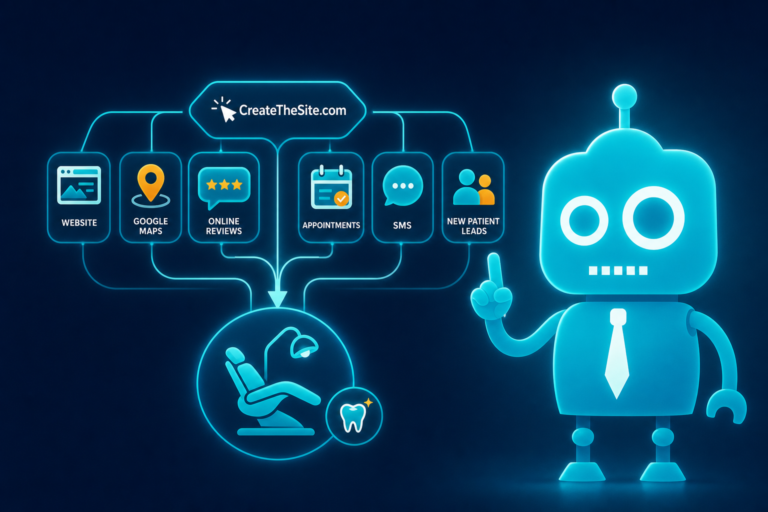
Why Most Dental Marketing Campaigns Fail
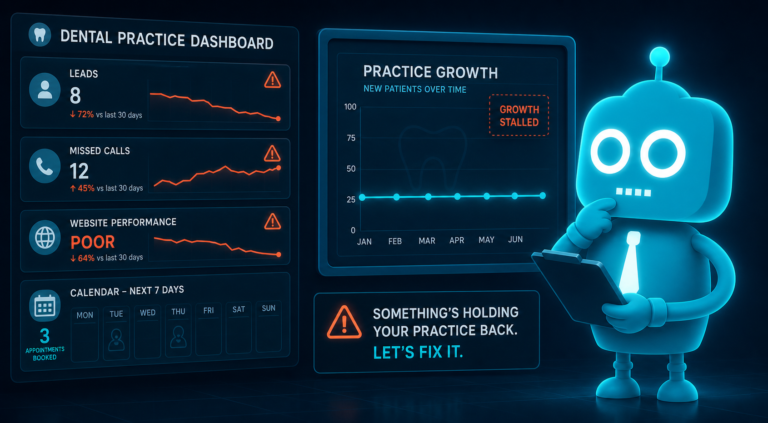
Most dental marketing campaigns do not fail because the ads are terrible.
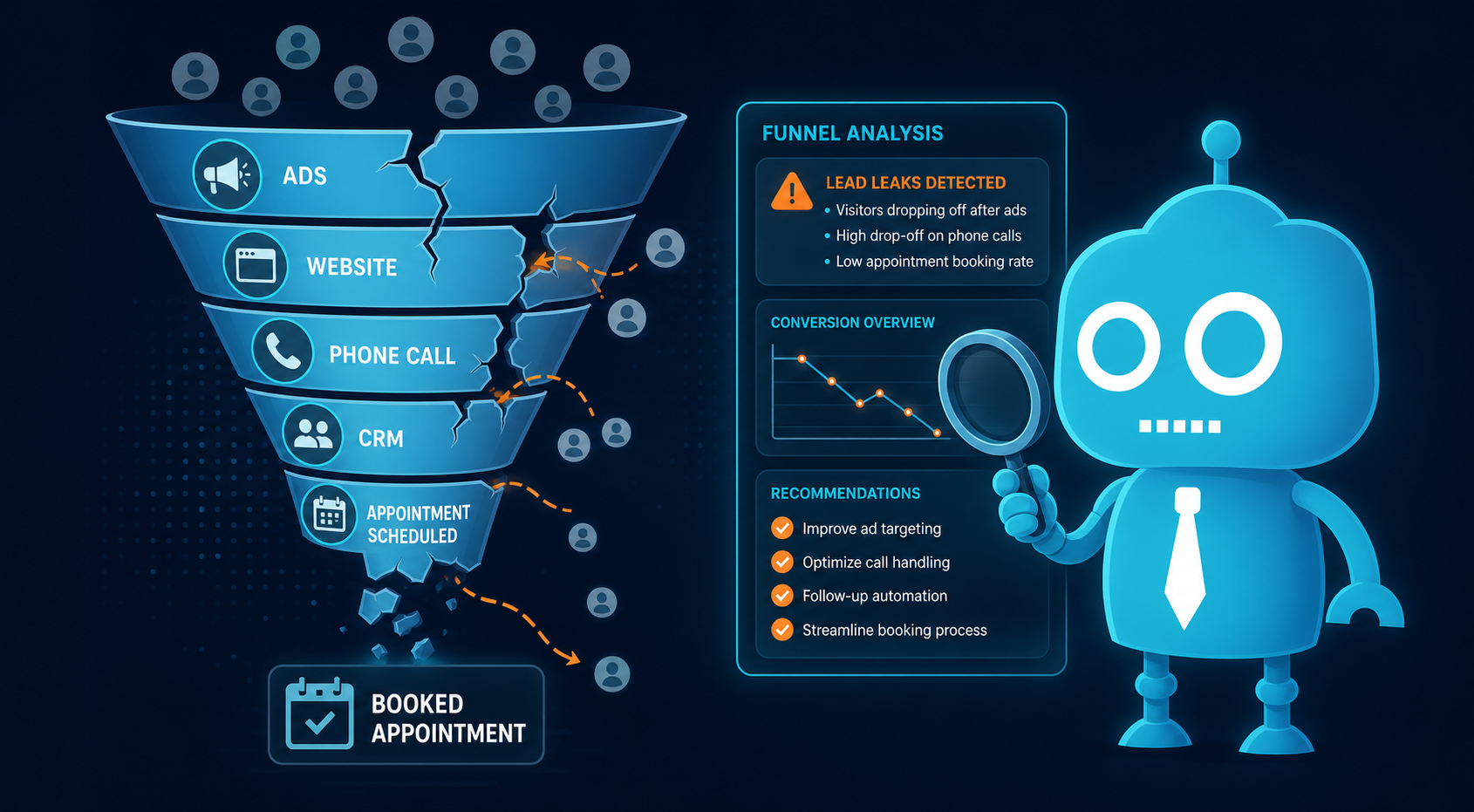
They fail because the system after the click is broken.
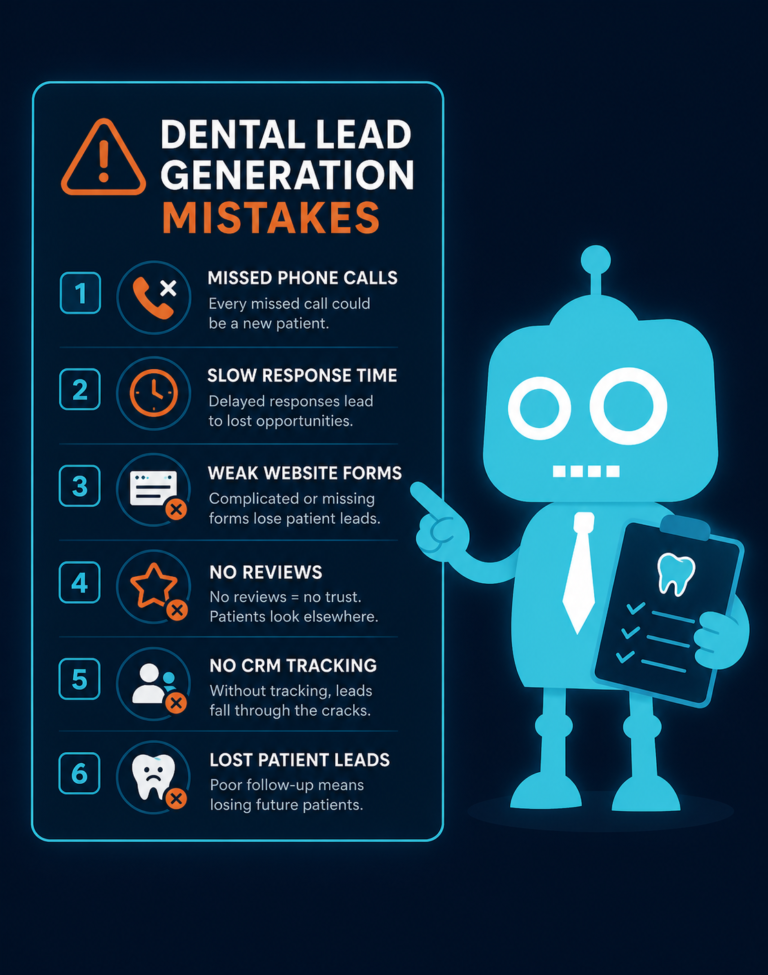
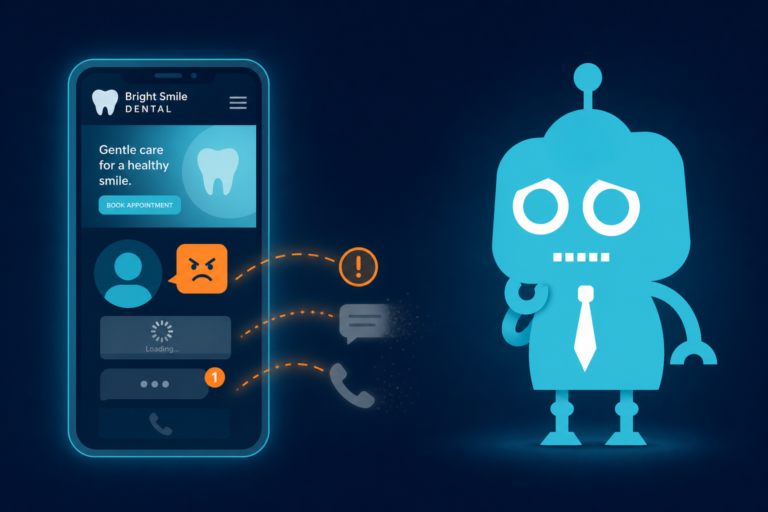
A patient clicks a Google ad, visits your dental website, looks for reassurance, considers scheduling, and then hits friction. The site is slow. The phone number is hard to tap. The reviews are buried. The contact form feels outdated. No one answers the phone. The follow-up comes hours later, if it happens at all.
By that point, the patient has already called another dental office.
For independent dental practice owners, dentists, and office managers, this is the uncomfortable truth: traffic does not equal new patients. Clicks, impressions, and website visits only matter if your practice has a reliable conversion system behind them.
This article explains why many dental marketing campaigns waste money, why ads can generate clicks without appointments, and what your practice needs to fix before increasing your ad budget.
Dental Marketing Does Not Stop at the Click
Many dental practices focus heavily on getting more traffic. They invest in Google Ads, Facebook Ads, SEO, social media, direct mail, or local sponsorships. Those channels can work, but only when the next step is clear and easy for the patient.
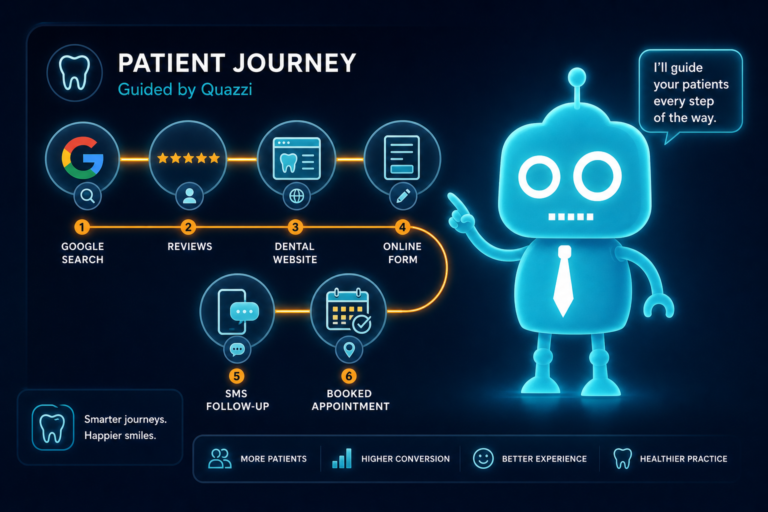
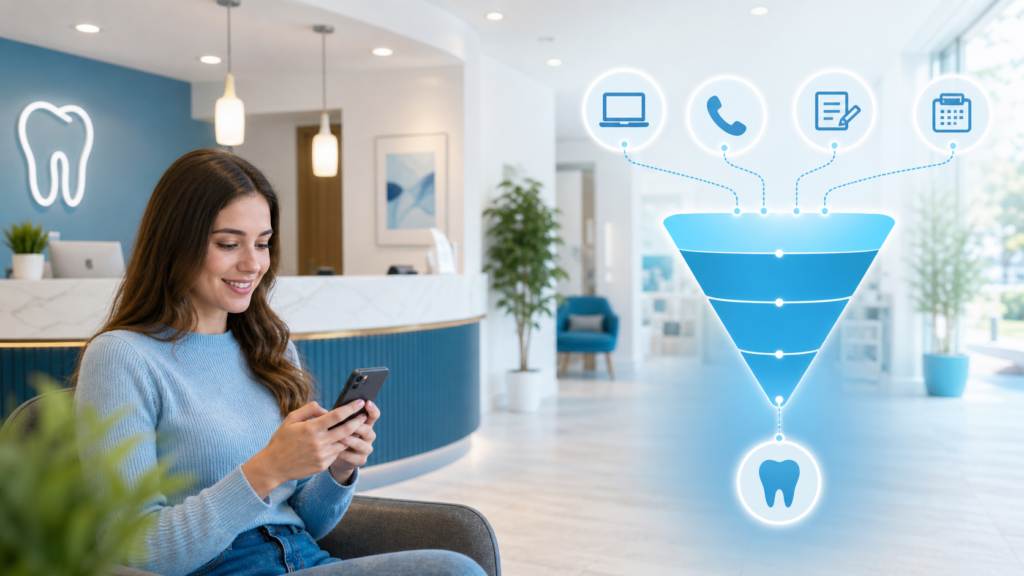
A strong dental marketing campaign should guide a potential patient through a complete journey:
- They search for a service such as “dentist near me,” “emergency dentist,” or “Invisalign provider.”
- They click an ad or organic result.
- They land on a page that matches what they searched for.
- They quickly understand your services, credibility, location, and next step.
- They call, submit a form, or request an appointment.
- Your front desk responds quickly and professionally.
- Your CRM, email, or SMS system continues the conversation until the patient books.
If any part of that system breaks, the campaign underperforms.
You may blame the ads, the agency, the keywords, or the local competition. But often, the real issue is what happens after the patient clicks.
Why Traffic Without Conversion Wastes Money
Traffic is only valuable when it produces measurable patient opportunities. A dental website that receives 1,000 visitors per month but generates only a handful of calls or appointment requests has a conversion problem.
This is especially costly in dental marketing because patient intent can be high. Someone searching for “same-day dental crown,” “tooth pain dentist,” or “dental implants consultation” may be ready to act. If your website or intake process loses that person, you are not just losing a click. You may be losing a high-value new patient.
Example: The Cost of a Weak Conversion System
Imagine your practice spends $2,500 per month on Google Ads. You get 500 clicks at $5 per click. That sounds promising.
But if only 2% of visitors call or submit a form, that produces 10 leads. If your front desk converts only half of those into appointments, you get 5 booked patients.
Now imagine the same traffic with a stronger dental website, clearer calls-to-action, better trust signals, faster follow-up, and automated nurture. If conversion improves from 2% to 6%, you now have 30 leads from the same ad spend. If your team books half, that becomes 15 appointments.
The difference is not more traffic. The difference is a better system.
Why Dental Ads Can Get Clicks Without Appointments
It is possible for dental ads to generate clicks and still fail to produce new patients. A click only means the message was interesting enough for someone to visit. It does not mean they trusted your practice, found the information they needed, or felt ready to schedule.
This is why judging a campaign by clicks alone can be misleading.
The Ad Promise Does Not Match the Landing Page
If your ad promotes “emergency dental appointments today,” the landing page should immediately reinforce that message. It should mention emergency dentistry, same-day availability if offered, what symptoms you treat, where you are located, and how to contact the office quickly.
If the ad sends patients to a generic homepage with a long menu and no clear emergency dental information, many visitors will leave.
The Patient Has Questions the Page Does Not Answer
Dental patients are often anxious, price-conscious, and comparison-driven. Before they schedule, they may want to know:
- Do you accept my insurance?
- Do you offer payment options or financing?
- Are you close to my home or work?
- Can I get in quickly?
- Do you treat nervous patients?
- Do you have good reviews?
- Will I be pressured into treatment?
If your website does not address these concerns, the patient may continue searching. Another practice that communicates more clearly may win the appointment.
The Call-to-Action Is Too Weak
Many dental websites use vague buttons like “Learn More” or “Contact Us.” Those are not always enough for a high-intent patient.
Better calls-to-action are specific and action-oriented:
- Request an Appointment
- Call Now for Emergency Dental Care
- Schedule Your New Patient Visit
- Book a Cosmetic Consultation
- Ask About Insurance and Financing
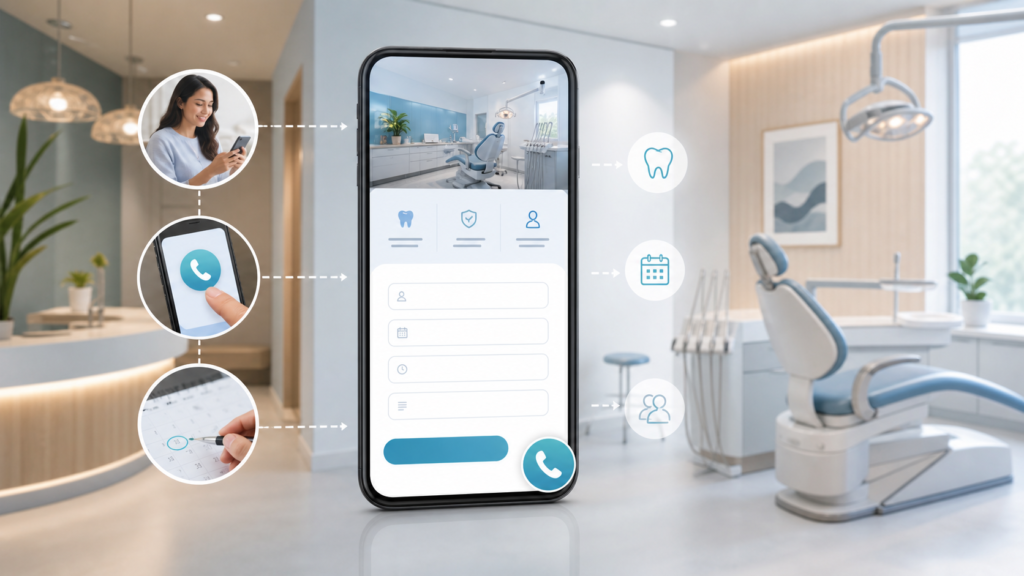
Your website should make the next step obvious on every important page, especially on mobile.
Website Trust Problems That Hurt Dental Conversions
Your website is often the first impression a new patient has of your practice. If it feels outdated, confusing, or impersonal, it can quietly damage your marketing results.
Dental care is personal. Patients are choosing someone to examine their mouth, discuss their health, and potentially recommend treatment that costs hundreds or thousands of dollars. Trust matters.
Outdated Design Can Make the Practice Feel Outdated
An old dental website may suggest that the office is behind the times, even if the clinical care is excellent. Patients may wonder if the technology, scheduling process, and patient experience are outdated too.
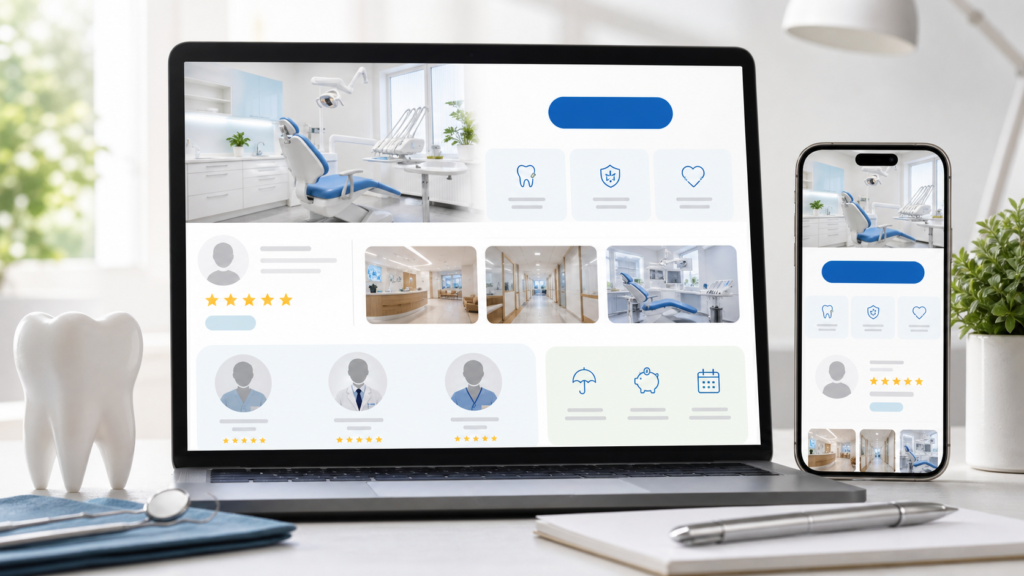
A modern dental website should be clean, mobile-friendly, fast, and easy to navigate. It should make your practice look active, organized, and trustworthy.
Missing or Weak Reviews Reduce Confidence
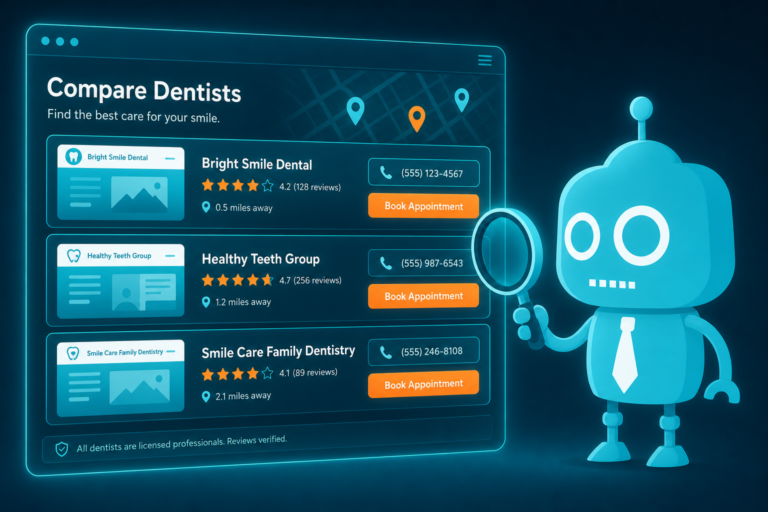
Online reviews are one of the strongest trust signals in dental marketing. Patients often compare star ratings, review volume, and recent feedback before deciding who to call.
Your website should highlight patient reviews in a visible, compliant, and natural way. If your Google reviews are strong, do not hide them on a separate page that no one visits. Feature them near appointment buttons, service pages, and new patient information.
No Real Photos Can Make the Practice Feel Generic
Stock photos are common in dental marketing, but they can make your practice feel interchangeable. Real images of your office, team, treatment rooms, and dentists can build familiarity before the patient ever walks in.
Patients want to know who they will meet. They want to see that the office looks clean, welcoming, and professional. Authentic visuals can improve trust and conversion.
Unclear Insurance and Payment Information Creates Friction
Many patients hesitate to call because they are unsure about cost, insurance, or financing. Your website does not need to list every fee, but it should reduce uncertainty.
Consider including information such as:
- Accepted insurance plans or a note to call for verification
- Membership plan details if offered
- Financing options such as CareCredit or other providers
- New patient specials, if applicable and compliant
- Clear instructions for asking billing questions
When patients feel informed, they are more likely to take the next step.
Missed Calls and Slow Follow-Up Kill Dental Campaigns
Even with a great dental website, many campaigns fail at the front desk.
A new patient lead has a short shelf life. If someone calls your office and reaches voicemail, they may not wait. If they submit a form and do not hear back until the next day, they may already have an appointment elsewhere.
Patients Often Contact Multiple Dental Practices
Patients searching online are usually not loyal yet. They may open three dental websites, compare reviews, and call whichever office feels easiest to reach.
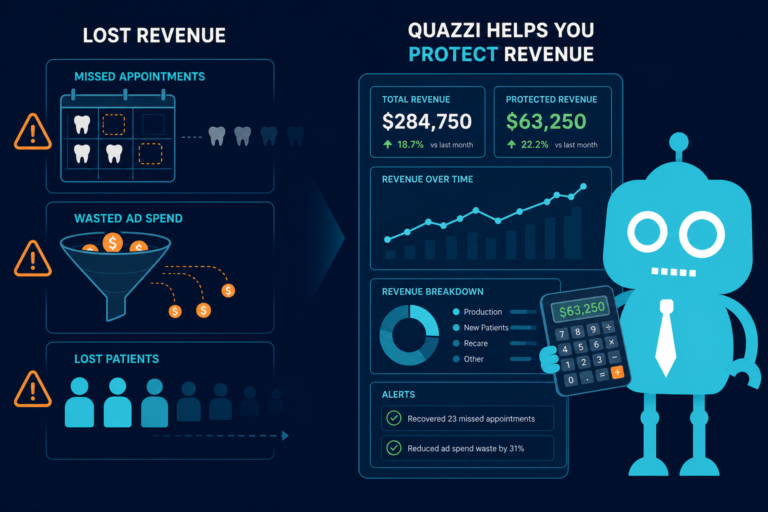
If your phone rings during lunch, after hours, or while the front desk is helping another patient, that call can become lost revenue.
This does not mean your team is doing something wrong. Dental front desks are busy. They handle check-ins, check-outs, insurance questions, treatment plan discussions, hygiene schedules, billing issues, and clinical team interruptions.
But from a marketing perspective, missed calls are expensive.
Slow Form Follow-Up Sends the Wrong Message
If a patient fills out an appointment request form, they expect a quick response. A delayed response can make the practice seem disorganized or uninterested.
For example, a patient requests a dental implant consultation at 9:30 a.m. If your office responds at 4:45 p.m., that patient may have already booked with a competitor that replied within 10 minutes.
Speed matters because intent fades quickly.
Your Front Desk Needs a Lead Handling Process
Dental marketing success depends on front desk operations. Your team should know exactly how to handle new patient opportunities from calls, forms, chats, and ad campaigns.
A practical lead handling process may include:
- Answering calls with a warm, new-patient-friendly script
- Tracking missed calls daily
- Returning missed calls within minutes when possible
- Responding to website forms quickly
- Using text messaging when appropriate and compliant
- Documenting lead status in a CRM or practice management workflow
- Following up with patients who asked questions but did not schedule
Marketing does not end when the phone rings. That is where conversion begins.

Why Every Dental Campaign Needs Tracking
If you cannot measure what happened after the click, you cannot accurately improve the campaign.
Many dental practices know how much they spend on ads but do not know which campaigns produced calls, forms, booked appointments, or completed treatment. Without tracking, decisions become guesswork.
Track More Than Website Visits
Basic website analytics are useful, but they are not enough. Your dental marketing dashboard should help answer questions such as:
- Which ads generated phone calls?
- Which landing pages produced appointment requests?
- How many calls were missed?
- How quickly did the office follow up?
- How many leads became scheduled patients?
- Which services generated the highest-value opportunities?
For a dental practice, a campaign that brings in 100 low-intent clicks may be less valuable than a campaign that brings in 10 serious implant consultation requests. Tracking helps you understand quality, not just quantity.
Use Call Tracking Carefully
Call tracking can help identify which campaigns are generating phone leads. For example, your Google Ads campaign may use a tracking number so you can see how many calls came from paid search.
For local SEO consistency, call tracking should be implemented carefully. The main practice number should remain consistent across major directory listings, your Google Business Profile, and core local citations. On your website and landing pages, dynamic call tracking can often provide useful data without confusing search engines or patients.
Measure Booked Appointments, Not Just Leads
A lead is not the same as a new patient. A form submission that never gets reached does not help the practice grow. A phone call that asks one question and disappears is not equal to a completed appointment.
The goal is to connect marketing activity to scheduled visits and, when possible, actual production. That requires communication between your marketing tools, CRM, front desk, and practice management system.
Why Automation and Nurture Are Essential
Not every patient books on the first visit to your website. Some are comparing dentists. Some need to talk to a spouse. Some are nervous about treatment. Some are waiting for payday or insurance confirmation.
This is where automation and nurture become valuable.
A dental CRM and automated follow-up system can help your practice stay in touch with leads that are not ready to schedule immediately. Instead of letting those opportunities disappear, you can continue the conversation through timely text messages and emails.
SMS Follow-Up Can Improve Response Rates
Many patients respond faster to text messages than phone calls or emails. A simple, professional SMS follow-up can help move a lead toward scheduling.
For example:
“Hi Sarah, this is Bright Oak Dental. We received your appointment request and would be happy to help. Do mornings or afternoons work better for your first visit?”
This kind of message is direct, helpful, and easy to answer.
Dental practices should always follow applicable consent, privacy, and communication rules when using SMS or email automation.
Email Nurture Builds Trust Over Time
Email can help educate patients who are considering higher-value treatments such as dental implants, Invisalign, veneers, crowns, or sedation dentistry.
A short nurture sequence might include:
- What to expect at a consultation
- Answers to common cost and insurance questions
- Before-and-after examples where appropriate
- Patient review highlights
- Information about financing options
- A reminder to schedule when ready
This keeps your practice top of mind without requiring your front desk to manually follow up with every lead multiple times.
Automation Helps the Front Desk Stay Organized
Automation is not about replacing your team. It is about supporting them.
A good system can notify the front desk when a new form comes in, send an immediate confirmation to the patient, create a CRM record, trigger follow-up reminders, and help prevent leads from slipping through the cracks.
For a busy dental office, that structure can be the difference between a lost opportunity and a booked appointment.
The Real Reason Dental Marketing Campaigns Fail
Most dental marketing campaigns fail because practices try to buy more attention before fixing the patient acquisition system.
They increase ad spend before improving the website. They drive traffic to pages that do not convert. They generate phone calls without tracking missed calls. They collect form submissions without fast follow-up. They promote services without a CRM, automation, or nurture process.
The result is predictable: more clicks, more cost, and not enough new patients.
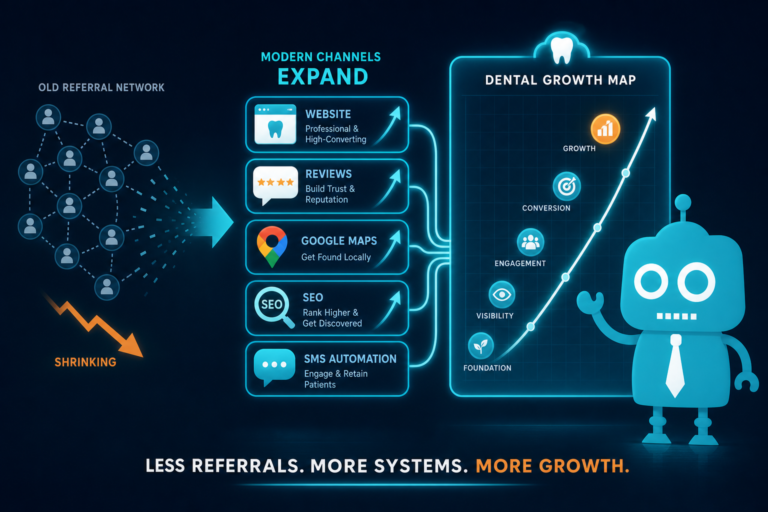
A successful dental marketing campaign needs more than visibility. It needs a complete conversion system.
What a Strong Dental Patient Acquisition System Looks Like
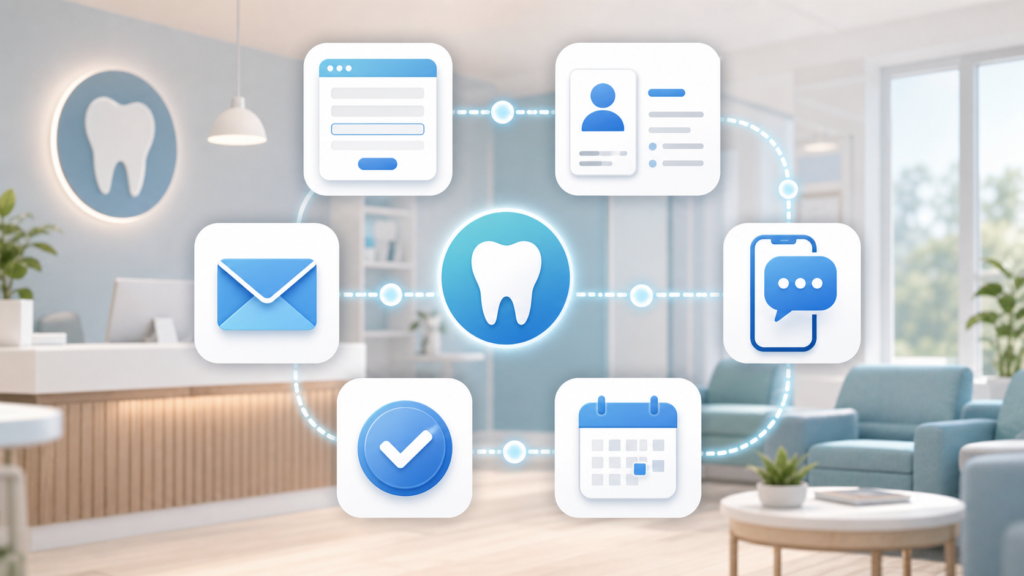
Before spending more on ads, your practice should make sure the foundation is strong.
1. A Modern, Mobile-Friendly Dental Website
Your website should load quickly, look professional, and work smoothly on mobile devices. Many dental patients search from their phones, especially for urgent needs like tooth pain, broken teeth, or emergency appointments.
2. Clear Service Pages for High-Intent Searches
Each major service should have its own page. Emergency dentistry, dental implants, Invisalign, cosmetic dentistry, crowns, cleanings, and new patient visits all deserve clear content and calls-to-action.
3. Strong Trust Signals
Include reviews, dentist bios, team photos, office photos, insurance information, financing options, technology highlights, and clear location details. Patients should feel confident before they call.
4. Easy Lead Capture
Use simple appointment request forms, click-to-call buttons, sticky mobile CTAs, and clear contact options. Do not make patients hunt for a way to schedule.
5. Fast Front Desk Response
Have a process for answering calls, returning missed calls, and responding to online leads quickly. Make sure the team knows which leads are new patient opportunities.
6. CRM Integration
A CRM helps organize leads, track follow-up, and show where each opportunity stands. This is especially important when leads come from multiple sources such as Google Ads, SEO, social media, and referral campaigns.
7. SMS and Email Automation
Automated messages can confirm requests, remind patients to schedule, answer common questions, and keep leads warm until they are ready to book.
8. Campaign Tracking and Reporting
Track calls, forms, appointment requests, booked visits, and missed opportunities. Use the data to improve the system month after month.
Practical Example: Fixing the System After the Click
Consider a general dental practice that wants more new patients for emergency dentistry and dental implants.
The old campaign sends all ad traffic to the homepage. The website has a small phone number in the header, no visible reviews, no emergency page, no implant consultation page, and a long contact form. Calls are not tracked. Form submissions go to a general inbox that is checked twice a day.
The practice gets clicks but few appointments.
Now compare that with a better system:
- Emergency dental ads go to a dedicated emergency dentistry landing page.
- Dental implant ads go to a dedicated implant consultation page.
- Each page has reviews, FAQs, insurance and financing information, and strong calls-to-action.
- Mobile visitors see a tap-to-call button immediately.
- Appointment forms are short and easy to complete.
- Every form submission creates a CRM record.
- The patient receives an instant text or email confirmation.
- The front desk gets an immediate notification.
- Missed calls are tracked and returned quickly.
- Unscheduled leads receive automated follow-up.
The same ad budget can perform dramatically better because the practice is no longer leaking opportunities after the click.

Before You Spend More on Dental Ads, Fix the Conversion Path
If your dental marketing is not producing enough new patients, do not automatically assume you need more traffic. You may need a better conversion path.
Ask these questions:
- Does the landing page match the ad message?
- Is the website fast and mobile-friendly?
- Are reviews and trust signals visible?
- Can patients easily call or request an appointment?
- Are forms short and simple?
- Does the front desk respond quickly?
- Are missed calls tracked?
- Is every lead captured in a CRM?
- Do you have SMS and email follow-up in place?
- Can you connect campaigns to booked appointments?
If the answer to several of these questions is “no,” increasing your marketing budget may simply increase the amount of wasted traffic.
CreateTheSite.com Helps Dental Practices Build the System After the Click
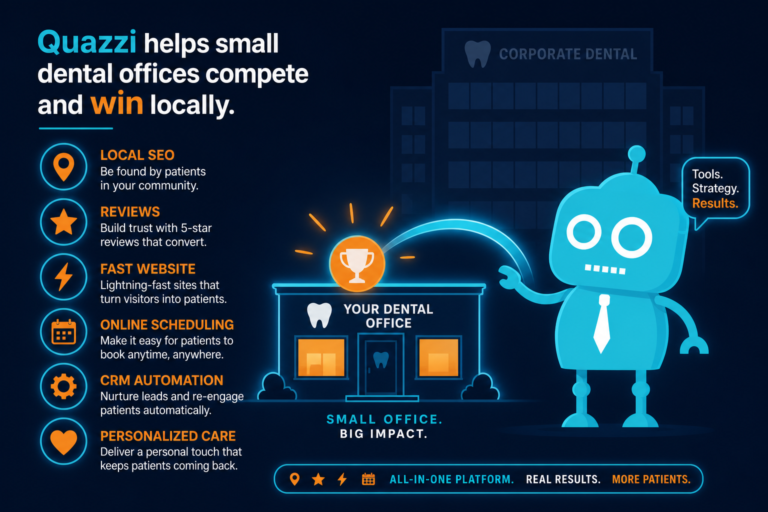
Your dental marketing campaign is only as strong as the patient experience that follows the click. A modern website, clear lead capture, fast follow-up, CRM integration, and automated nurture can turn more visitors into real appointment opportunities.
CreateTheSite.com helps dental practices improve that entire digital foundation. From modern dental website design and reliable hosting to mobile optimization, lead capture forms, CRM integrations, SMS and email automation, appointment follow-up, and ongoing website support, CreateTheSite.com builds websites that are designed to support new patient acquisition.
If your practice is getting traffic but not enough appointments, the problem may not be your ads. It may be the system behind them.
Visit CreateTheSite.com to explore how a better dental website and follow-up system can help your practice convert more of the opportunities you are already paying for.